


Asian Scientist Newsroom

ABOUT
Asian Scientist Magazine is an award-winning science and technology magazine that highlights R&D news stories from Asia to a global audience. The magazine is published by Singapore-headquartered Wildtype Media Group.
Stories by Asian Scientist Newsroom
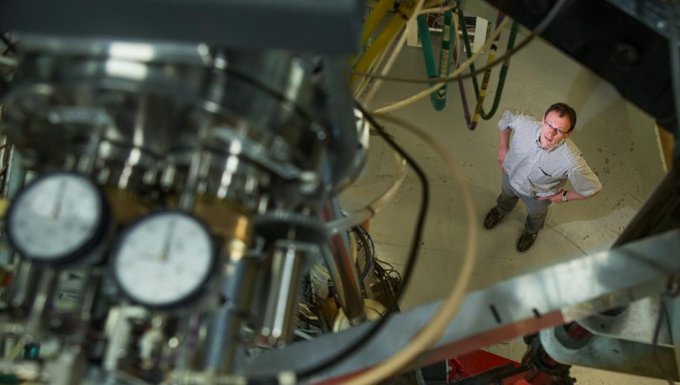
Supernova Secrets From The Bottom Of The Sea
The levels of radioactive 244Pu from deep sea dust are much lower than expected, challenging current theories on supernovae.

Landslides Could Become Indonesia’s Worst Nightmare
Although natural disasters such as tsunamis and earthquakes often capture the attention of the media, it is landslides which cause the highest death toll in Indonesia.

Eisai Launches Liver Cirrhosis Drug In The Philippines
The drug for treating liver cirrhosis-associated hypoalbuminemia is also awaiting clinical trials in China.

Celebrating 50 Years Of Singaporean Scientists
Drs. Juliana Chan and Rebecca Tan have set themselves the mission of turning Singapore’s scientific pioneers into household names.
Singapore’s Scientific Pioneers Celebrated In Print
Drs. Juliana Chan and Rebecca Tan have set themselves the mission of turning Singapore's scientific pioneers into household names.

Nanodiamonds Pack An Anti-Cancer Punch
Nanodiamonds can turn existing drugs into a powerful tool against cancer stem cells in mice.
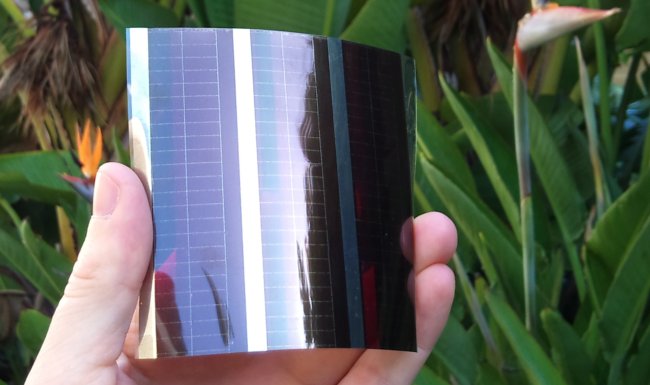
Liquid Crystals For Printable Solar Panels
High performance liquid crystals could pave the way for printable and more environmentally friendly solar panels.
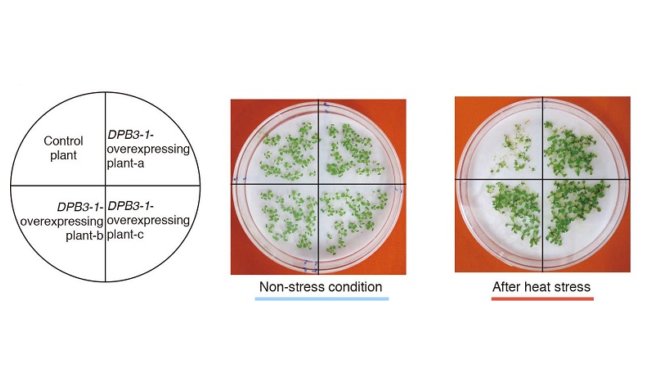
DREB2A Enhances Stress Tolerance Without Slowing Growth
Identification of a gene which regulates stress tolerance in plants could lead to the development of stress-resistant crops.

Studying Muscle Loss With Worms In Space
The roundworm Caenorhabditis elegans could tell us about the effects of microgravity on muscle and bone.