


Asian Scientist Newsroom

ABOUT
Asian Scientist Magazine is an award-winning science and technology magazine that highlights R&D news stories from Asia to a global audience. The magazine is published by Singapore-headquartered Wildtype Media Group.
Stories by Asian Scientist Newsroom

Reading Your Opponent’s Face In Martial Arts Could Help You Win
In taekwondo, the ability to analyze facial emotions could give you an edge in a sparring match.

Helping Lab-On-A-Chip Devices To ‘Swallow’ With Electro-Osmosis
Mimicking how muscles push food down the esophagus allows microdevices to move fluids; adding an electric field helps to further control this motion.

NAOC & CSIRO Develop World’s Largest Single Dish Telescope
Chinese and Australian teams are collaborating on the design and construction of the Five-hundred-meter Aperture Spherical Telescope in China.

Swallowed A Battery? Origami Robot Surgeon To The Rescue!
This ingestible robot unfolds itself in the stomach and, steered by magnetic forces, can remove button batteries or heal wounds.

Obesity On The Rise In Indonesia
Indonesia is experiencing both under- and over-nutrition at the same time, prompting researchers to call for a public health policy overhaul.
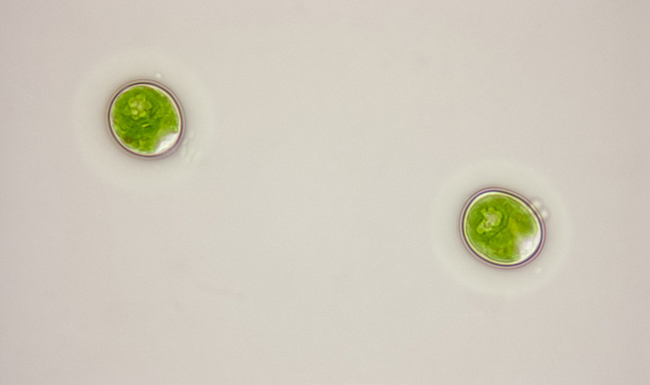
Green Algae Chase Light With The Help Of ‘Eyespots’
Clusters of pigment called ‘eyespots’ on the surface of the unicellular algae, Chlamydomonas reinhardtii, help it identify which direction light is coming from.

Semiconductor Shows Ferromagnetism At Room Temperature
Researchers have reported growing iron-doped ferromagnetic semiconductors that work at room temperature—a longstanding physical constraint.

‘Hammerhead’ Dinosaur Is The Oldest Herbivorous Marine Reptile
Atopodentatus unicus lived 242 million years ago and used its needle-like side teeth to filter-feed, much like a whale's baleen.

Lettuce Grown Under LED Lights Have Lower Nitrates
To grow lettuce with more antioxidants and less nitrates, simply expose to continuous red-blue and green LED light for 24 hours.