


Asian Scientist Newsroom

ABOUT
Asian Scientist Magazine is an award-winning science and technology magazine that highlights R&D news stories from Asia to a global audience. The magazine is published by Singapore-headquartered Wildtype Media Group.
Stories by Asian Scientist Newsroom

Multiple Tooth Loss Could Indicate Cognitive Impairment
Remind grandma to brush regularly! The loss of eight or more teeth in elderly stroke patients has been linked to poorer cognitive function.
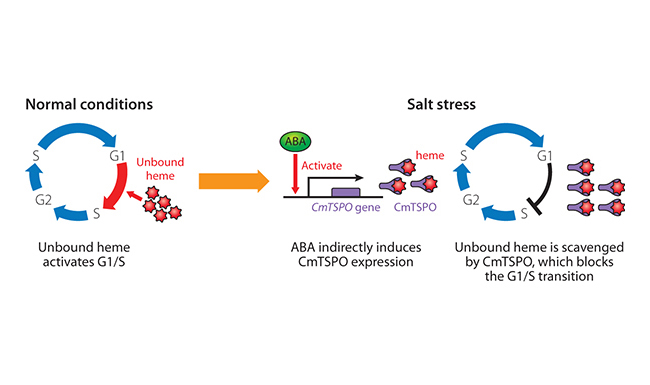
How Algae Survive In Salty Water
Even algae use abscisic acid to regulate their response to salt stress, scientists find.

Rubber Plantations Contribute To Reduced Ant Biodiversity
At a rubber plantation in China, researchers not only found a striking decrease in the number of ant species, but also in the ants’ functional and phylogenetic diversity.
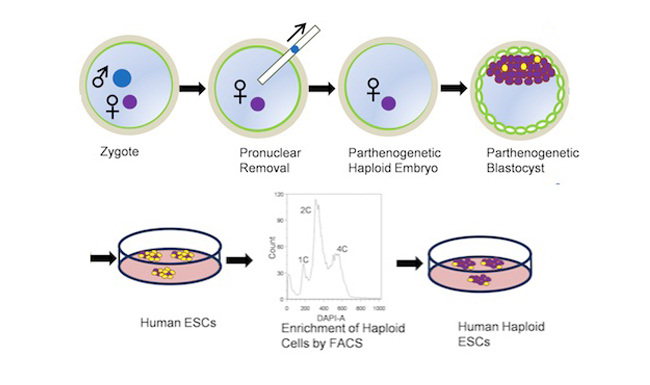
Researchers Develop Haploid Embryonic Stem Cells
The 'half strength' genome of the haploid stem cell line could help researchers better understand the function of genes.

Type Ia Supernovae Have ‘Reserve Tank’ Of Radioactive Fuel
When they explode, Type Ia supernovae produce radioactive cobalt-57 which powers their explosions for three times longer than previously thought.

Japan To Contribute US$130 Million Replenishment To GHIT Fund
The move highlights the Japanese government's commitment to playing a leading role in global health issues.

Singaporean Elected As 2016 Associate Member Of EMBO
Professor Ng Huck Hui, executive director at the Genome Institute of Singapore, is currently the only Singapore-based associate member of the prestigious organization.
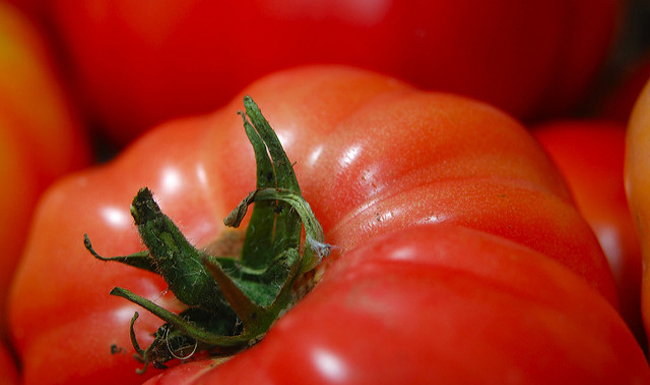
Why Do Tomatoes Smell ‘Grassy’?
Tomatoes could be made to smell less ‘grassy’ by switching on genes that reduce the levels of a compound called 3-hexenal.

How A Molecular Switch For Bone Formation Works
The transcriptional regulator Sp7/osterix could be the key to unlock the blueprint of bone formation in vertebrates, according to a genome-wide study.