


Asian Scientist Newsroom

ABOUT
Asian Scientist Magazine is an award-winning science and technology magazine that highlights R&D news stories from Asia to a global audience. The magazine is published by Singapore-headquartered Wildtype Media Group.
Stories by Asian Scientist Newsroom
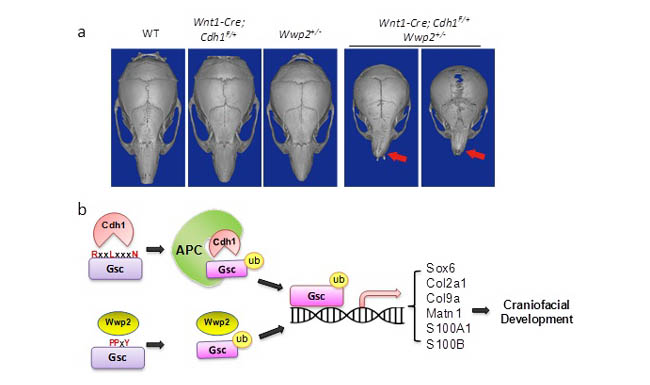
Two Genes Linked To Skull Abnormalities Identified
Mutations in two genes—Cdh1 and Wwp2—have been shown to cause facial malformation in mice.

How To Make Li-S Batteries More Efficient? Carbon Spheres & Nanotubes
The challenges of producing lithium-sulfur batteries on a large scale can potentially be solved through carbon spheres and 3D nanostructures.

The Art And Science Of Japanese Porcelain
The sizes of mineral and glass powder particles play an important role in color quality when producing akae, a type of treasured Japanese porcelain.

Zika Definitively Linked To Microcephaly In Mice
Mouse fetuses that were injected with Zika virus and carried to term display the hallmarks of microcephaly.

Ice Age Eurasians Lost Neanderthal DNA As They Migrated
Upon arrival in Europe some 45,000 years ago, ancient Eurasians began to lose some of their Neanderthal DNA, study shows.

Slow Seabed Slips Linked To Tsunami Earthquakes
Slow slips have the potential to become the epicenter of major tsunami earthquakes; in fact, one was recorded a month prior to the 2011 Tohoku-Oki Earthquake.

Advances In Medical Care Led To Type 1 Diabetes Boom
Thanks to better medical care, life expectancy has increased dramatically in recent decades, with unintended consequences.

Takeda Receives US$38 Million Polio Eradication Grant From Gates Foundation
With this funding, Takeda will develop, license and supply at least 50 million doses of a polio vaccine per year to more than 70 developing countries.

Air Pollution Linked To Other Cancers, Not Just Lung
Long-term exposure to ambient fine particulate matter such as PM2.5 has been linked to increased risk of mortality for a range of cancers.