


Asian Scientist Newsroom

ABOUT
Asian Scientist Magazine is an award-winning science and technology magazine that highlights R&D news stories from Asia to a global audience. The magazine is published by Singapore-headquartered Wildtype Media Group.
Stories by Asian Scientist Newsroom
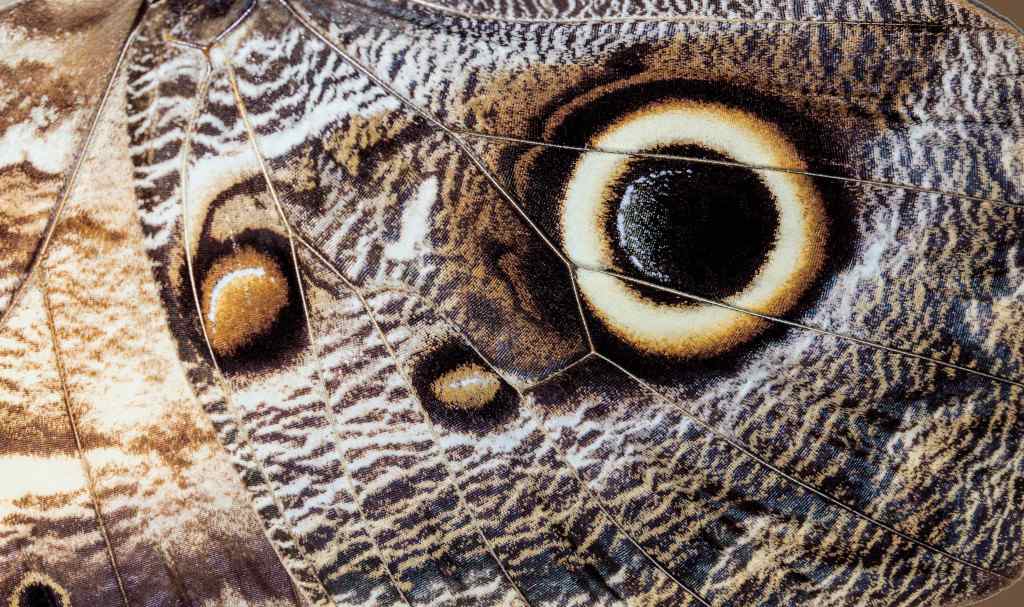
Eyes Of Demise: Butterfly Wing Patterns Attract Predators
The eyes spell doom for brush brown butterflies, as bearing more eyespots on their forewings led to more intense predatory attacks.

Disease-causing Parasites Hitch Ride On Trumpet Snails
In order to survive and breed, parasitic flatworms in Southeast Asia use several species of trumpet snail as hosts—posing a threat to public health.

Turning Tamarind Shells Into Energy Stores
No longer relegated to the trash bins, tamarind fruit shells can be converted into carbon nanosheets used in energy storage devices.

BD Biosciences Reimagines Flow Cytometry Marketplace
BD Biosciences’ upgraded website streamlines discovery, and equote requests of flow cytometry solutions for accelerated research and innovation.

Breaking Bad Chemicals With Bacterial Detoxifiers
India's landfills are home to tiny environmental detoxifiers—bacteria that transform chemical wastes into harmless substances.
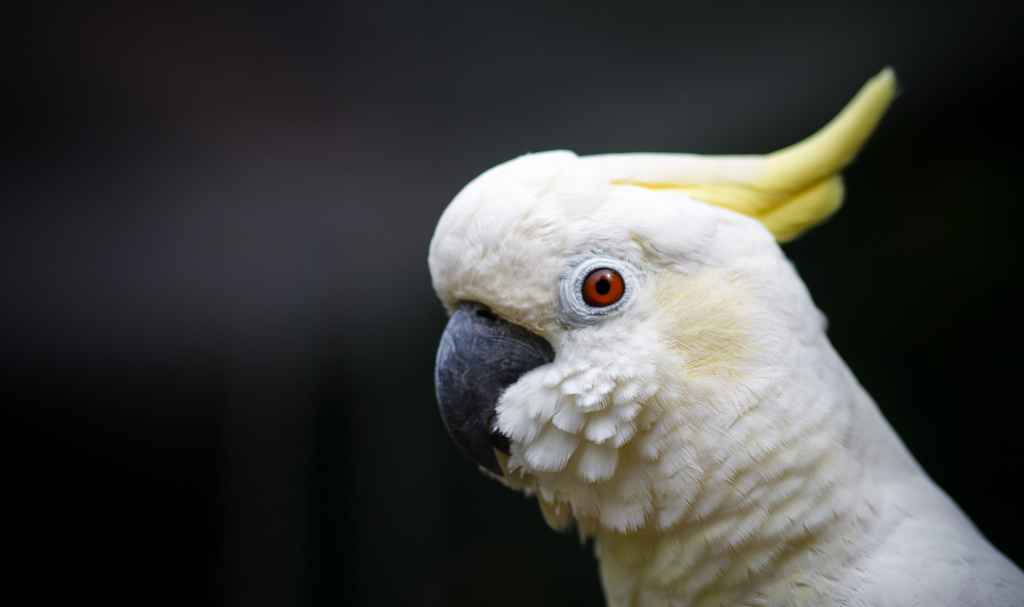
A Forensic Approach To Detecting Illegal Cockatoo Trade
Illegal wildlife traders, beware! Ecologists in Hong Kong have developed a novel forensic tool for detecting the laundering of critically endangered cockatoos.

Keeping A Better AI On Prostate Cancer
To lessen invasive diagnostic tests, researchers have developed an artificial intelligence-based method to accurately diagnose prostate cancer with only a urine sample.

Philippines’ Indigenous Ayta Carry Most Denisovan Ancestry
The Ayta Magbukon people have the highest levels of DNA from Denisovans globally, revealed genetic evidence from 118 Philippine ethnic groups.

Special Delivery: A New Way To Transport Sperm
In a seminal development, researchers from Japan have successfully mailed freeze-dried mouse sperm via a postcard.