


Asian Scientist Newsroom

ABOUT
Asian Scientist Magazine is an award-winning science and technology magazine that highlights R&D news stories from Asia to a global audience. The magazine is published by Singapore-headquartered Wildtype Media Group.
Stories by Asian Scientist Newsroom

The Path To Digital Mental Healthcare
From flagging symptoms to monitoring recovery, digital innovation can make the mental healthcare journey more accessible, effective and responsive every step of the way.

Singapore Research Institute Launched To Study Intelligent Materials
The new Institute for Functional Intelligent Materials will be led by Professor Sir Konstantin Novoselov, who received the 2010 Nobel Prize in Physics for his work on graphene.

Once In A Century Shot: Rediscovering Borneo’s Rajah Scops Owl
After capturing the first-ever photographs of a Bornean Rajah scops owl, researchers hope to study the rediscovered bird in greater detail.
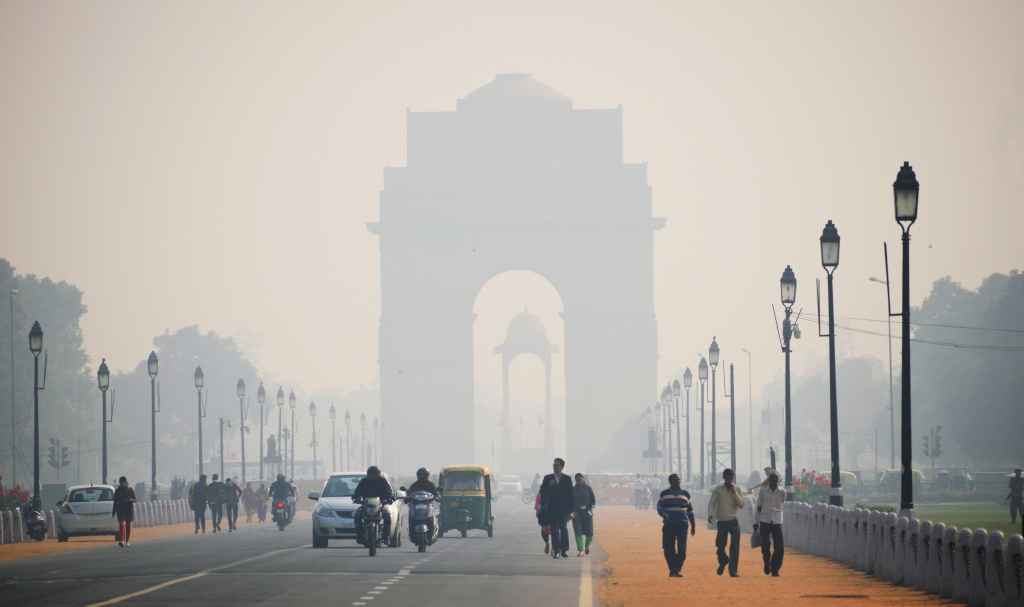
India’s Poorest Suffer Most From Air Pollution
India’s low-income households are at significantly higher risk for premature deaths due to air pollution compared to high-income groups.

Hu Hailan Wins 2022 L’Oréal-UNESCO For Women In Science Award
For her research on the neurobiology of depression, Professor Hu Hailan was named among the five 2022 L’Oréal-UNESCO For Women In Science awardees.

Mental Health Support Goes Digital
Using technology to analyze behavioral data can help capture often overlooked aspects and offer greater support amid the patient journey.

Shaping Growth In Life Science Start-ups
For start-up founders in the life sciences, a venture capital partner can provide the capital and coaching needed to transform medical breakthroughs into commercially viable products.

Navigating Cancer Treatment With The Tiniest Of Tools
A new soft robotic laser could allow surgeons to conduct head and neck surgeries without damaging critical structures in the vicinity.

Helping Computers ‘See’ Through Darkness And Rain
To advance computer vision, researchers developed neural network algorithms to enhance videos of rainy and night scenes.