


Asian Scientist Newsroom

ABOUT
Asian Scientist Magazine is an award-winning science and technology magazine that highlights R&D news stories from Asia to a global audience. The magazine is published by Singapore-headquartered Wildtype Media Group.
Stories by Asian Scientist Newsroom
Revolutionizing Immunology With ImmunoScape’s Deep Immunomics Platform
From cancer to COVID-19, ImmunoScape’s Deep Immunomics platform sheds new light on individual responses to treatments and vaccines, creating breakthroughs in the fight against disease.
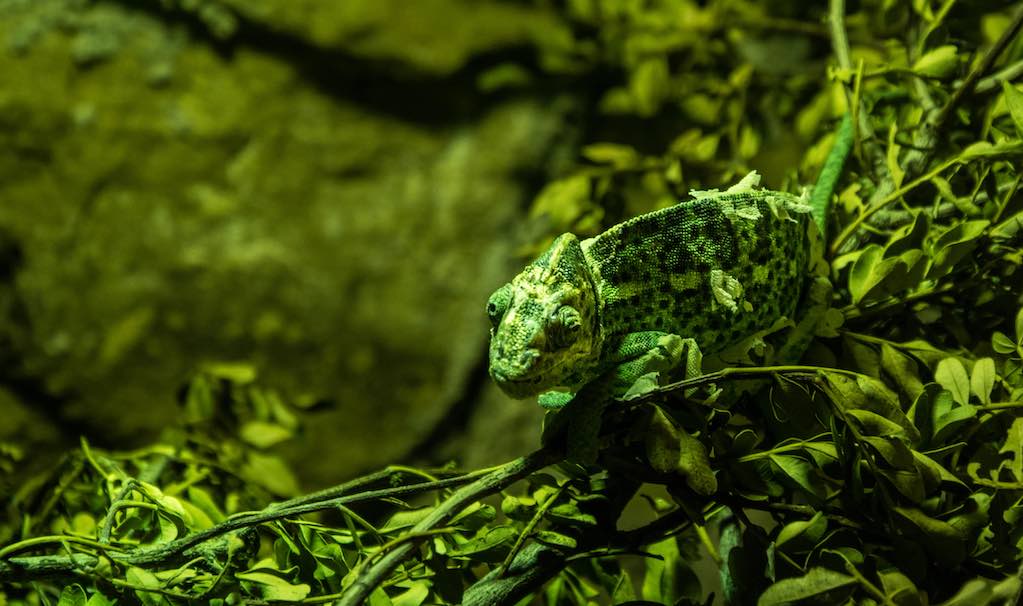
Color-changing Robot Hides In Plain Sight
From detecting surrounding colors to changing patterns on display, a robot can now mimic chameleons’ uncanny ability of blending in with the surroundings.
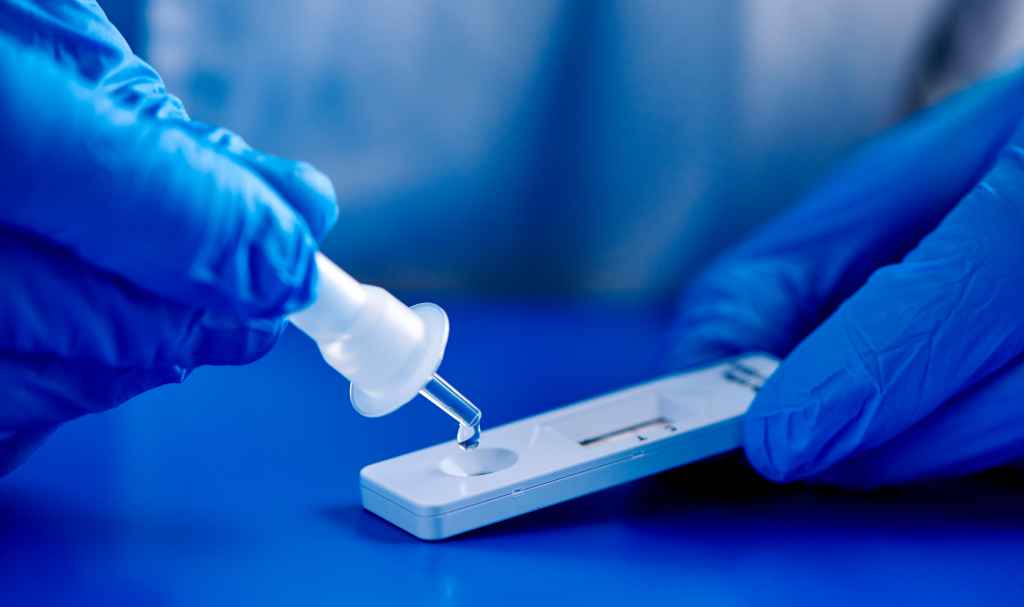
In COVID-19 Testing, Speed Trumps Sensitivity
With high enough numbers of tested individuals, the exclusive use of rapid antigen tests could achieve similar epidemiological outcomes as using only RT-PCR tests.
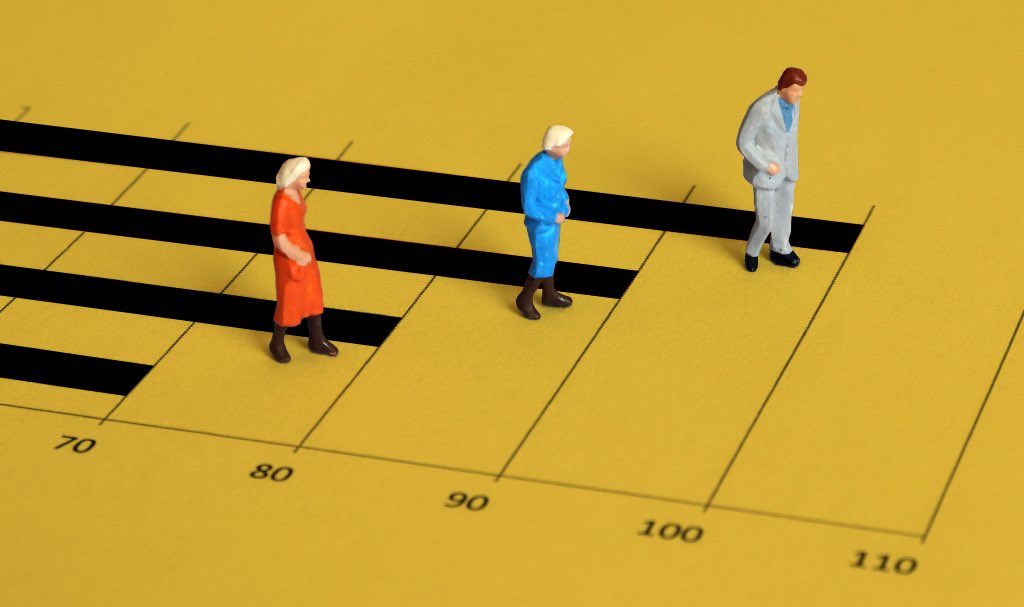
Finding The Fountain Of Youth In The Gut
The Japanese secret to a long and healthy life isn't just ikigai. In centenarians, gut microbiomes may help block harmful bacteria and promote longevity.

Decluttering The Brain By Eating Connections
Meet the stars of the brain's clean-up efforts: astrocytes that remove excessive connections which could impede learning and memory.

How Cone Snails Use Sex Pheromones To Lure Prey
By releasing molecules mimicking the pheromones of fire worms, cone snails have found a way to turn their prey's natural sex drive into a lethal weapon.

Mindfulness Therapy Helps Bring On The Zzz’s
When it comes to getting a good night's rest, mindfulness-based therapy may be more effective than an active sleep hygiene program in improving sleep quality.

No More Waiting: Tackling Viral Hepatitis In Asia
From detecting hidden cases to enabling early treatment, here’s how clinical lab diagnostics play a crucial role in overcoming the threat of viral hepatitis.

Prenatal BPA Exposure Linked To Male Bias In Autism
Male rat offspring exposed to BPA in the womb had impaired learning and memory, suggesting that BPA could contribute to male bias in autism.