


Asian Scientist Newsroom

ABOUT
Asian Scientist Magazine is an award-winning science and technology magazine that highlights R&D news stories from Asia to a global audience. The magazine is published by Singapore-headquartered Wildtype Media Group.
Stories by Asian Scientist Newsroom

Digging Up The Genetic Origins Of Inner Asia’s Mummies
Genomic analysis of the Tarim Basin mummies has revealed their origins as a local group in China's Xinjiang region, rather than a migratory population.

Sowing The Seeds Of Language
Interdisciplinary research suggests the Transeurasian language family was started and spread by a group of early farmers in China around 9,000 years ago.

The Explosive Truth Behind China’s Dynastic Collapses
Sudden climatic shocks caused by volcanic eruptions contributed to the downfall of China's dynasties, especially when combined with pre-existing societal instability.
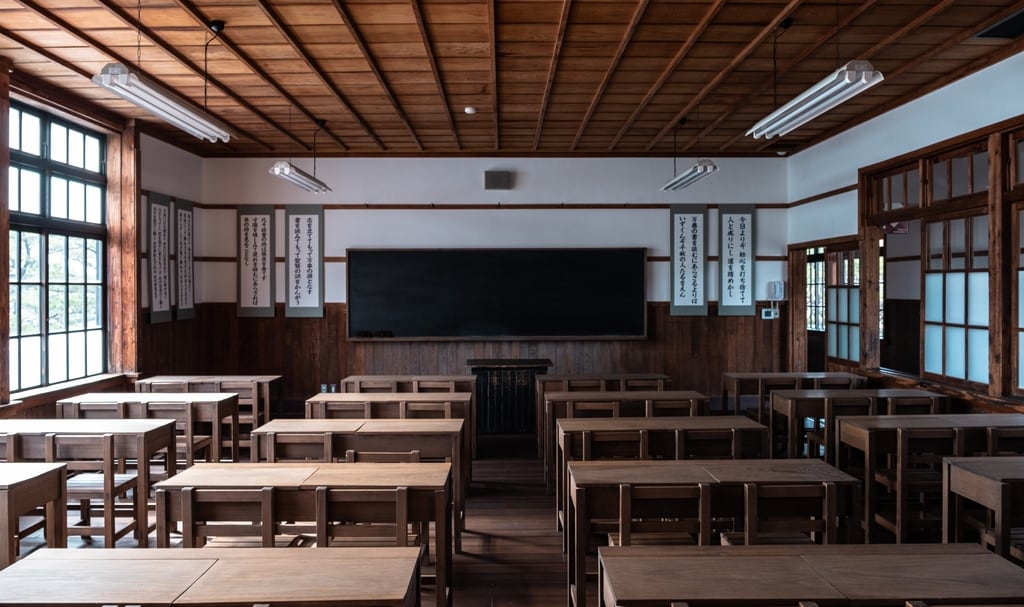
School Closures Had No Effect On COVID-19 Spread In Japan
By comparing similar Japanese municipalities with closed or open schools, researchers found that campus restrictions did not reduce COVID-19 transmission.
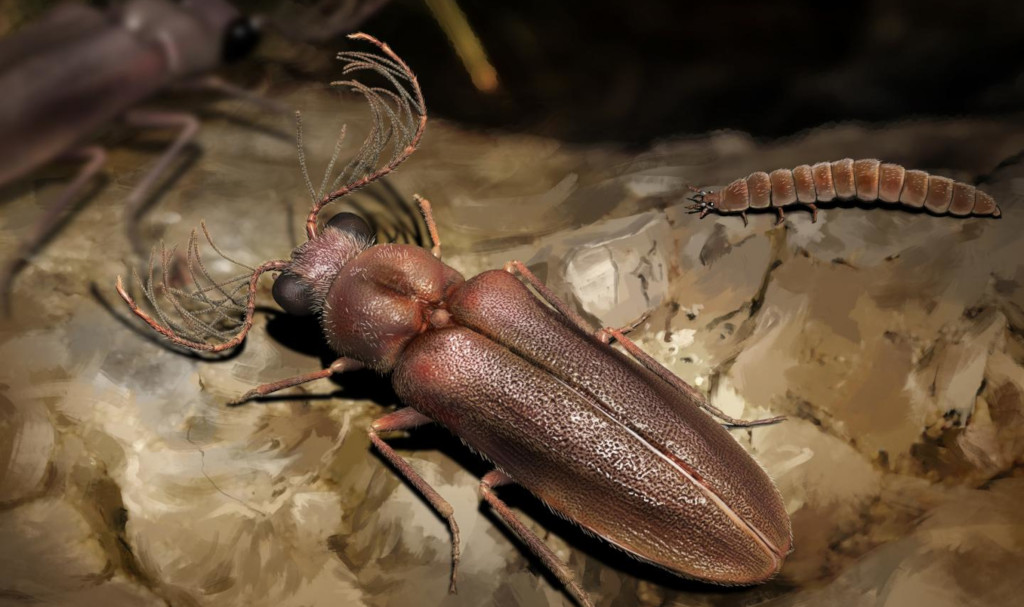
Shining Light On Why Beetles Glow
The discovery of a a 99 million year old amber fossil from Myanmar offers insight into how and why beetles began to glow.

Two From Southeast Asia Win Science Prize for Women 2021
For working to achieve clean water and clean air, Singapore's Dr. Li Hongying and Indonesia's Dr. Neni Sintawardani have won the Underwriters Laboratory-ASEAN-US Science Prize for Women 2021.

A Clean Slate: Revolutionizing Pharmaceutical Cleaning
Working hand in hand with industry partners, researchers from the Singapore Institute of Technology (SIT) are finding innovative ways to streamline cleaning in pharmaceutical manufacturing.

Signs of Supereruptions: The Magma Beneath Toba
By combining geologic dating with computer modeling, scientists have discovered that constant magma build-up fueled Toba’s supereruptions, the largest in Earth’s history.

An Afternoon Nap A Day May Keep Dementia At Bay
Afternoon napping is linked to better mental agility, locational awareness, verbal fluency and working memory, according to researchers from China.