


Asian Scientist Newsroom

ABOUT
Asian Scientist Magazine is an award-winning science and technology magazine that highlights R&D news stories from Asia to a global audience. The magazine is published by Singapore-headquartered Wildtype Media Group.
Stories by Asian Scientist Newsroom
2022 Declared International Year Of Basic Sciences For Sustainable Development
The United Nations General Assembly proclaimed 2022 as the International Year of Basic Sciences for Sustainable Development, recognizing the role of basic research to achieve the Sustainable Development goals by 2030.

Pretty Grape: How Grape Seed Extract Makes Mice Live Longer
Research from China demonstrates that a flavonoid extracted from grape seeds increases the lifespan of old mice by killing cells that promote aging.

When Two Wastewater Treatment Methods Are Better Than One
Coupling two popular chemical processes leads to better organic pollutant removal than either method alone, say researchers from India and Saudi Arabia.

Asian Scientist Magazine And Singularity Group To Produce ‘The Hacktivist’ Documentary
The Hacktivist will shed light on the debate over transparency between users and corporations in the hardware world.

What Speaking Multiple Languages Does To The Brain
The benefits of speaking multiple languages can be seen in the brain, according to a South Korean study of young children.
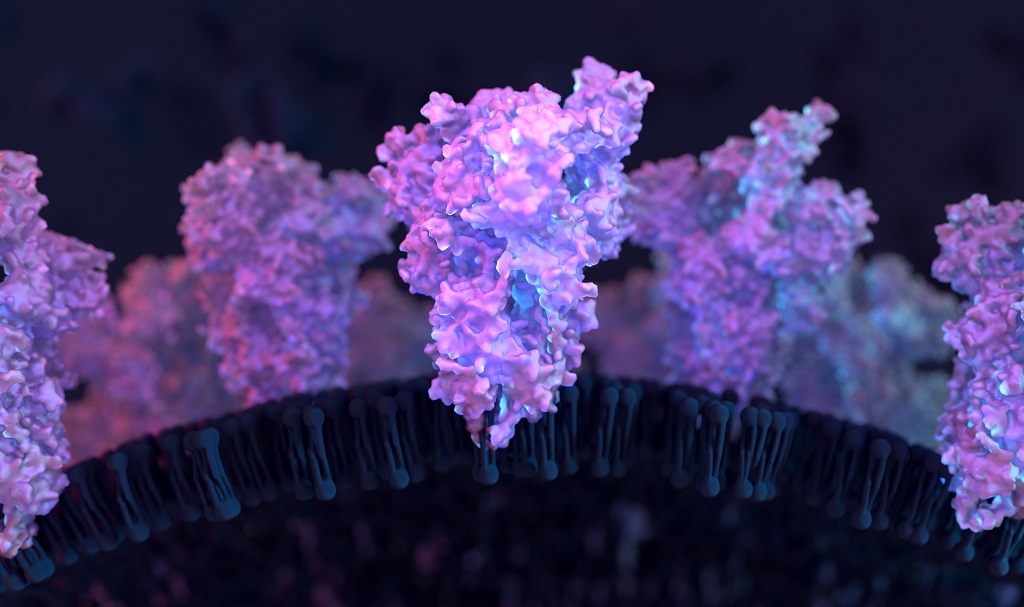
The Mutation Behind The Delta Variant’s Severity
A mutation in the spike protein enhances the Delta variant's ability to fuse with host cells, resulting in more severe COVID-19 symptoms.

Mining Microalgae To Reduce Carbon Emissions
A new machine learning-powered method is speeding up how scientists study microalgal cell factories and their carbon cycling functions.

Measuring Blood Alcohol Levels Through The Ears
A new device that fits over a person's ears can measure real-time changes in blood alcohol levels through the skin.

Space Mice Reveal Why Muscles Waste Away In Space
Exposing mice aboard the International Space Station to artificial gravity has revealed the molecular mechanisms behind muscle waste.