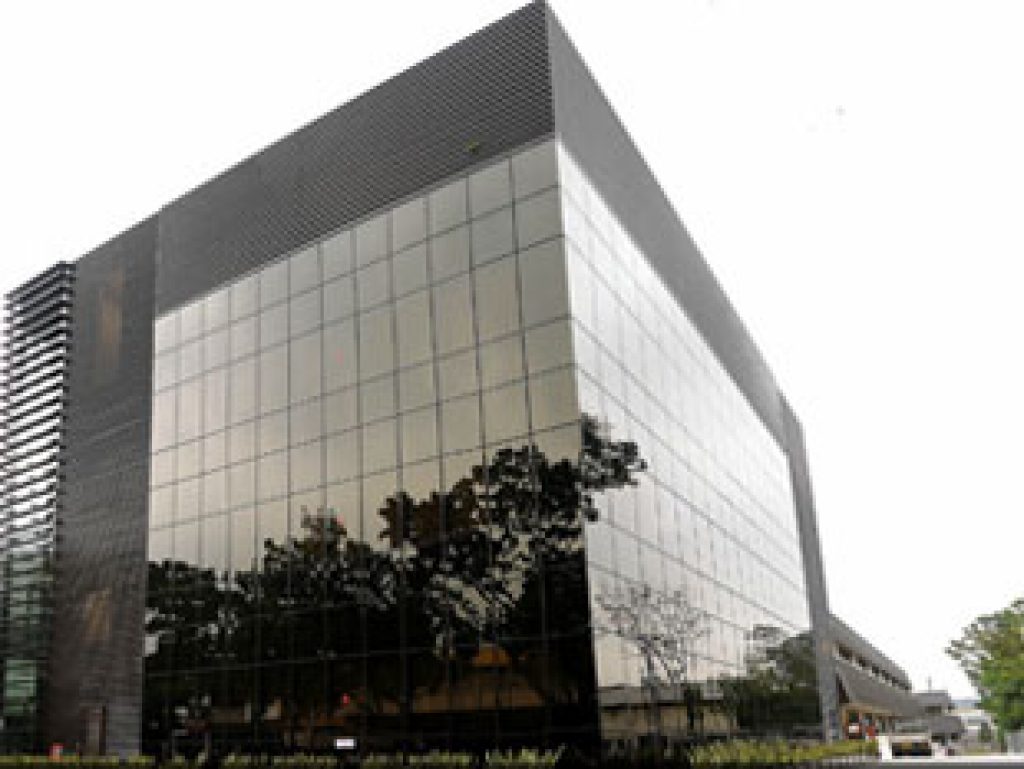
AsianScientist (May 23, 2013) – Nestlé has opened a new extension to its R&D center in Singapore to focus on its fastest-growing markets in the Asia-Pacific region.
The center, which employs about 100 experts from 17 countries specialized in fields including mechanical engineering, analytical chemistry, microbiology, and sensory science, will take the global lead for the company’s innovations in Nescafé coffee mixes and Milo powdered beverages.
Nestlé has invested almost S$5.5 million in the extension, which will create 20 new jobs in 2013.
“With this investment, our research and development center in Singapore becomes our leading global R&D centre for Nescafé Coffee Mixes and Milo,” said Johannes Baensch, Nestlé’s Global Head of Research and Development, at the opening ceremony.
Baensch said that one of R&D Singapore’s main objectives is to ensure that nutrition and health are integral considerations in new product development, by testing new formulations and formats, as well as reducing sugar, salt and fat in the company’s products, without compromising taste.
Nestlé established its R&D center in Singapore in 1980, the company’s first in Asia. The products developed in Singapore are tailored to meet local tastes, both in the region and in other parts of the world where they are sold.
It is also a global and regional training center for Nestlé’s food scientists and engineers. It employs more than 1,300 people in Singapore, and operates a major factory in Jurong and an infant formula manufacturing plant in Tuas.
——
Source: Nestlé.
Disclaimer: This article does not necessarily reflect the views of AsianScientist or its staff.