


shanghai institutes for biological sciences

How The Grass Carp Went Vegetarian
The draft genome suggests that differences in the mevalonate pathway and steroid biosynthesis in liver aided the grass carp's transition from a carnivorous to a herbivorous diet.

How Eukaryotic Genes Get Spliced
Two RNA sequences, TSA and TSB, have been shown to be necessary and sufficient for trans-splicing in flies.

Tradeoffs Between Longevity & DNA Repair
Blocking homologous recombination at the telomeres can significantly extend the lifespan of yeast, study shows.
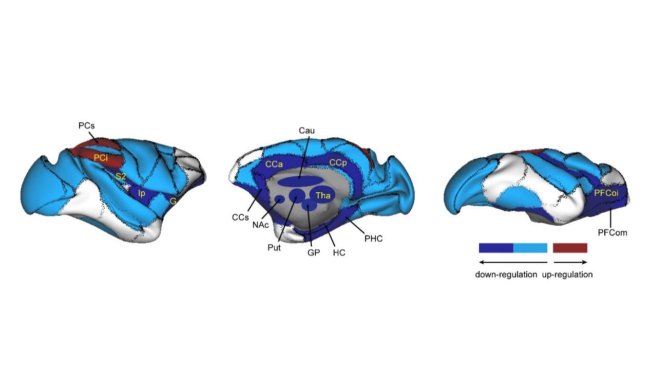
How Ketamine Re-Programs Monkey Brains
Ketamine re-wires the brains of monkeys in a way that could counteract structural changes associated with depression, study says.
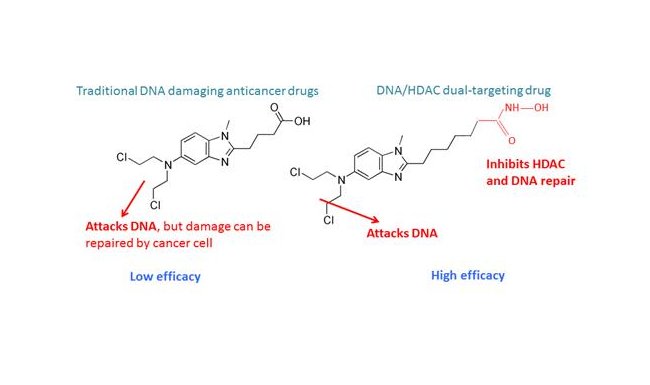
The One-Two Punch Of DNA Damage & Repair Inhibition
Scientists have found a drug that not only causes DNA damage but also prevents repair, enhancing its potency in treating cancer.

miRNA’s Two-Pronged Approach To Killing Cancer Cells
By using a multi-target miRNA, researchers have enhanced the therapeutic effect of existing anti-cancer drugs.

The Epigenetic Regulator Of Bone Formation
JMJD3 cooperates with the master regulator RUNX2 to control cartilage ossification into bone, study shows.

Monkeys Taught To Recognize Themselves In The Mirror
The fact that monkeys can be trained to recognize themselves in the mirror suggests that they have the "hardware" that for self-recognition.
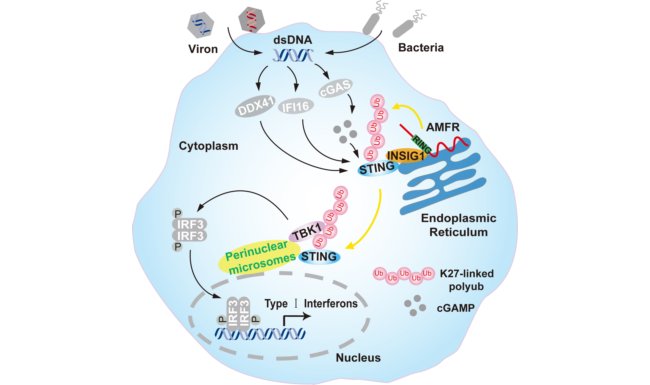
Ubiquitination The Missing Link In The STING Pathway
Poly-ubiquitination links the key microbial DNA detector STING with downstream effects, study shows.


