


osaka university

Sniffing Out Cancer Biomarkers
Researchers have used olfactory sensor neurons from mice to detect volatile organic compounds found specifically in urine samples from lung cancer patients.

Cholera Bacterium Attracted By Bile
Vibrio cholerae, which causes cholera, has been found to be attracted to taurine, an amino acid found in intestinal bile.

Mutations In PIGG Behind Certain Intellectual Disabilities
Previously inexplicable intellectual disabilities accompanied with seizures and low muscle tone have been traced to mutations in a gene called PIGG.

Cinnamon Compound Draws Stem Cells Into Wounds
Cinnamtannin B-1 has been shown to promote the migration of stem cells to wound sites in animal models, thereby accelerating healing.

Lipid Forms A ‘Police Car’ For Patrolling Lymphocytes
Lysophosphatidic acid acts as a scaffold for lymphocytes, allowing them to navigate quickly around small spaces in lymph nodes and fight off harmful antigens.

Protecting Neurons Against Parkinson’s By Enhancing Mitochondria
The protein necdin enhances mitochondrial function, producing ATP molecules which supply neurons with the energy they need.
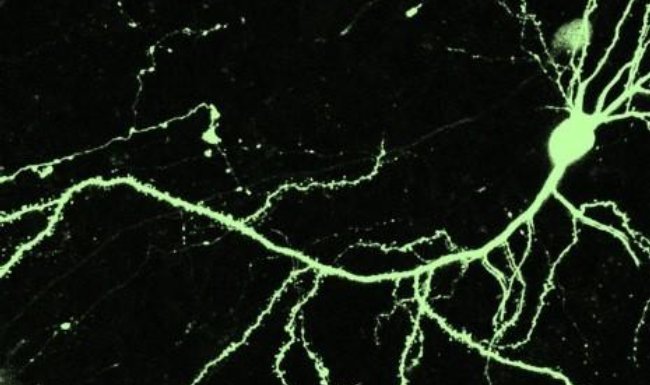
Brain Slices Show That Stress Messes Up Your Memory
A study in an in vitro system has shown that stress interferes with the development of new synapses required for new memories to form.

Simulations Reveal The Origin Story Of Supermassive Black Holes
Researchers have potentially uncovered how supermassive black holes form and grow to be immense in short periods of time.

Scientists Uncover Secondary Structure Of Lewy Bodies
The secondary structure of plaques known as Lewy bodies could help researchers develop new treatments for Parkinson's disease.


