


oncology
The Promise Of CAR T-cell Therapy In The Fight Against Cancer
CAR T-cell therapy is becoming an effective alternative for treating diffuse large B-cell lymphoma—offering better outcomes for patients with relapsed or refractory disease.


Asia’s Scientific Trailblazers: Ashok Venkitaraman
Having discovered BRCA2’s crucial role in genome stability, Professor Ashok Venkitaraman continues to drive research into cancer detection and treatment at the Cancer Science Institute of Singapore and A*STAR.

Divide And Conquer: Classifying Cancers For Targeted Therapy
With a new classification scheme for angiosarcomas, health experts can develop and select more effective treatments for cancer patients.

Keeping A Better AI On Prostate Cancer
To lessen invasive diagnostic tests, researchers have developed an artificial intelligence-based method to accurately diagnose prostate cancer with only a urine sample.

Eradicating Gastric Cancer With Iridium
Researchers in China have developed a novel drug that could help diagnose and treat gastric cancer.

Stamping Out Liver Cancer With Inhibitor Drugs
A team of scientists in Singapore has identified a vulnerable pathway in stem-like liver cancer cells which can be targeted to inhibit tumor formation.

China Approves Keytruda For Lung Cancer Treatment
Merck’s Keytruda is the first anti-PD-1 therapy to be approved as monotherapy, and in combination with chemotherapy, for lung cancer patients in China.

ASLAN And Bukwang Team Up To Develop Immune-Oncology Drugs
The joint venture has resulted in the independent company JAGUAHR Therapeutics, which will focus on developing aryl hydrocarbon receptor antagonists for cancer treatment.
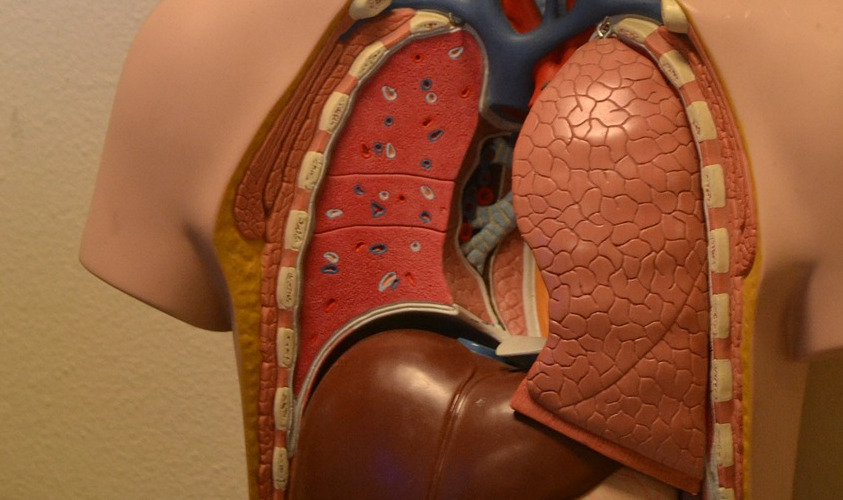
AstraZeneca’s Lung Cancer Drug Receives Regulatory Approval In China
Tagrisso, a small molecule inhibitor drug, has been approved in China as a first-line treatment for patients with non-small cell lung tumors bearing specific mutations.

DNA Damage In Early Life Linked To Lung Cancer
Using whole-genome sequencing techniques, researchers in South Korea have found that some lung cancer-associated mutations can occur decades before the disease presents itself.


