


chinese academy of sciences
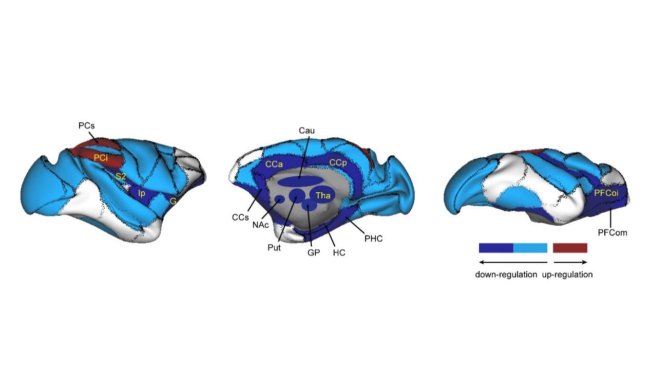
How Ketamine Re-Programs Monkey Brains
Ketamine re-wires the brains of monkeys in a way that could counteract structural changes associated with depression, study says.

The Proteins That Determine In IVF Success
A proteomics approach has shown that proteins involved in metabolism and cell adhesion can determine how receptive the womb is to IVF treatment.

How Microbial Communities Respond To Dams
There are more nitrogen cycling bacteria found in rivers that have been dammed, scientists say.

A 600 Million Year Old Sponge
An extraordinarily well-preserved fossil discovered in China sheds light on the evolution of sponges.
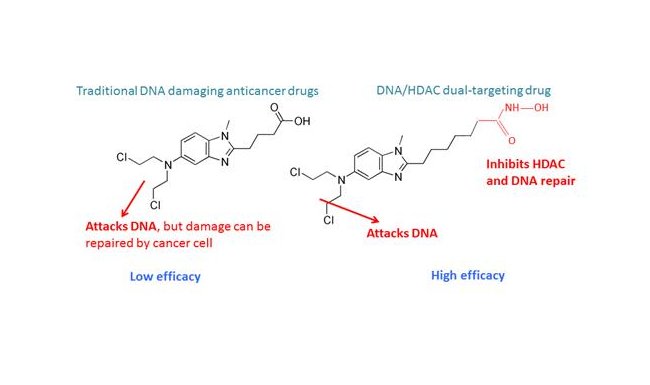
The One-Two Punch Of DNA Damage & Repair Inhibition
Scientists have found a drug that not only causes DNA damage but also prevents repair, enhancing its potency in treating cancer.
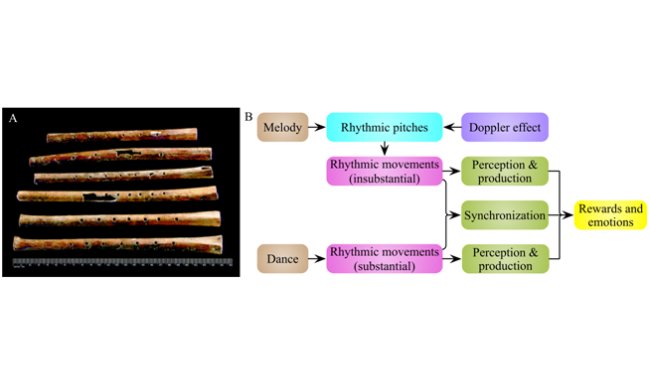
Why Do We Enjoy Music?
Having a sense of rhythm was essential for our ancestors to adapt to their environment, scientist suggests.

miRNA’s Two-Pronged Approach To Killing Cancer Cells
By using a multi-target miRNA, researchers have enhanced the therapeutic effect of existing anti-cancer drugs.
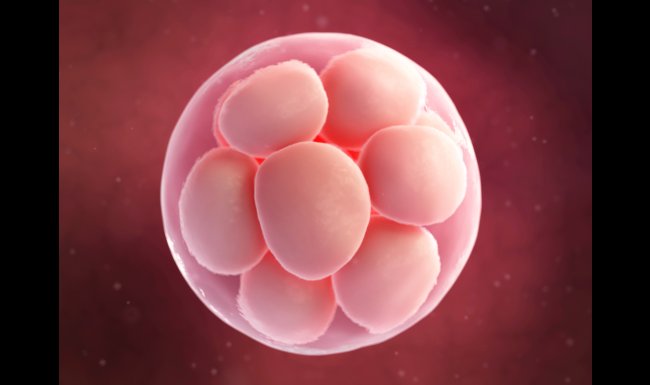
How Many Times Can Cells Be Re-Programmed?
Induced pluripotent stem cells can be used to generate up to six generations of mice but accumulate harmful mutations over time.

Could Climate Explain The Differing Success Of The Tang & Song Dynasties?
Simulations of China's climate over the last two millenia suggest that the Tang dynasty experienced regional warming while the Song dynastic was affected by global warming.


