


The Asian Scientist 100
Tan Eng King

Institution
National Neuroscience Institute
Country
Singapore
Field
Life Sciences
Tan Eng King received the 2018 President’s Science Award for identifying clinical biomarkers, developing novel models and transforming patient care in Parkinson’s Disease. (Photo: National Neuroscience Institute)
Related articles

Dealing Coronavirus A Knockout Punch
As the COVID-19 pandemic continues to rage around the world, old therapeutics are being given a second chance to fight a new foe. Here are seven of them.

Making Toilets For Everyone (VIDEO)
As founder of the World Toilet Organization, Jack Sim hopes to make a difference by providing the basics to those who need it the most

COVID-19 Diagnostics Explained
Access to testing is essential for containing COVID-19, but the accuracy of the tests used also matters a great deal.

Heeding The Call For COVID-19 Testing (VIDEO)
As calls for widespread COVID-19 testing increase in urgency, Singapore-based MiRXES is stepping up to the challenge, says its CEO Dr. Zhou Lihan.

Asia’s Scientific Trailblazers: Pham Hoang Hiep
Famed for being Vietnam’s youngest full professor to date, Professor Phạm Hoang Hiep is taking local mathematics research to greater heights.
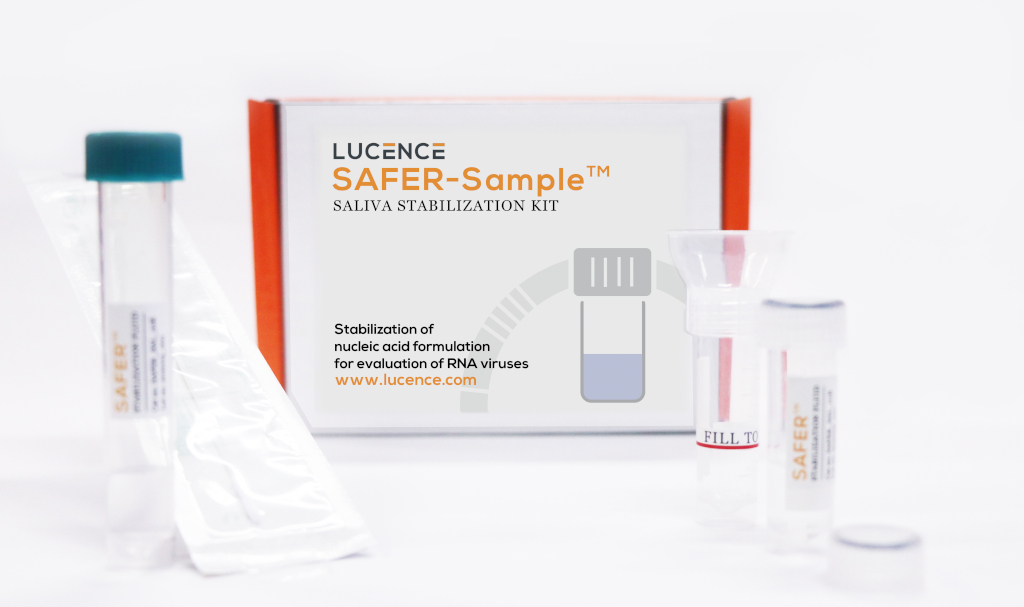
Lucence Develops COVID-19 Sample Stabilization Kits
Lucence has developed a kit that can stabilize COVID-19 test samples and is making 10,000 of the kits freely available to the scientific community.
Turning Trash Into Treasure (VIDEO)
Managing director of MINIWIZ, Tan Szue Hann, hopes to promote the circular economy with their mobile recycling plants that bring facilities to right where waste is generated.

Healthcare From The Comfort Of Home (VIDEO)
Dr. Shravan Verma has developed Speedoc, a digital platform that empowers doctors to make house calls so that patients can receive medical attention at home.

Priming The World For Primate Conservation (VIDEO)
As countries modernize, habitat destruction can threaten native primate species. Dr. Andie Ang believes that conservation efforts for primates can be strengthened with the right research.