


The Asian Scientist 100
Tan Eng King
Institution
National Neuroscience Institute
Country
Singapore
Field
Life Sciences
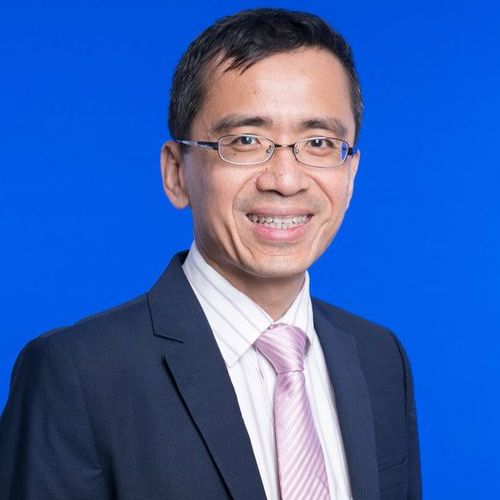
Tan Eng King received the 2018 President’s Science Award for identifying clinical biomarkers, developing novel models and transforming patient care in Parkinson’s Disease. (Photo: National Neuroscience Institute)
Related articles

Illuminating The Conversion Of Methane To Synthesis Gas
Researchers in Japan are one step closer to an eco-friendly catalyst for converting methane into useful gases.

Putting A Security Algorithm To Rest
Researchers have demonstrated that a security algorithm called SHA-1 can be easily subverted by malicious actors in cyberspace.

Taking Talent Acquisition To The Next Level
Tests, questionnaires and interviews may be staples of the hiring process, but they are not the only ways to gain insight into a potential employee’s aptitude and personality, says SMU Lee Kong Chian Professor of Human Resources Filip Lievens.


Phones Are Just The Tip Of The 5G Iceberg
5G is not just an incremental upgrade to existing networks, but a radically new approach to communication.

Breaking Methane’s Bonds With Ease
Chinese researchers have developed a catalyst consisting of single chromium atoms supported on titanium dioxide nanoparticles for methane oxidation.

Granting Enterprises The Ability To Go The Distance
Companies can unlock the potential of industrial IoT with the ABB Ability™ suite of digital products and services.
Release The Robots!
Collaborative robots, or co-bots, are not only creating new business opportunities and changing workplace dynamics, but also bringing with them new risks concerning safety and security.

Keeping Smart City Algorithms Accountable
Although artificial intelligence promises to give city planners unprecedented insight into urban life, humans must remain involved in decision making.