


The Asian Scientist 100
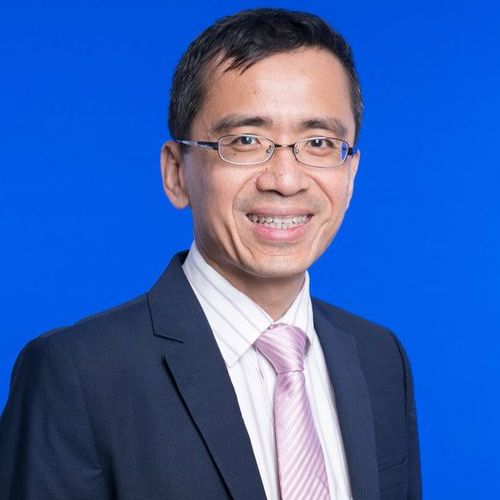
Tan Eng King
Institution
National Neuroscience Institute
Country
Singapore
Field
Life Sciences
Tan Eng King received the 2018 President’s Science Award for identifying clinical biomarkers, developing novel models and transforming patient care in Parkinson’s Disease. (Photo: National Neuroscience Institute)
Related articles

Building Your Roadmap To Open Innovation
Here are three steps your organisation can take to start walking the path to open innovation.

Singapore Launches 2nd Phase Of National Precision Medicine Program
Precision Health Research, Singapore (PRECISE) is set to take Singapore’s National Precision Medicine strategy to new heights.

To Infinity And Beyond: The Scientists Taking Asia To Space
In celebration of Space Day 2021, Asian Scientist Magazine shines a light on the three pioneers who paved the way for the region’s space exploration efforts.

Slowest Earthquake Ever Recorded Lasted Over Thirty Years
Researchers studying the growth patterns of ancient corals have uncovered the slowest recorded earthquake in history in Indonesia’s Simeuleu Island.

Factoring Human Behavior In Climate Change Analyses
A new study on Cambodian fishing habits reveals the importance of exploring the effects of rising temperatures on both ecosystems and people.

Elevating Your Business With External Expertise
From wastewater treatment to artificial intelligence, IPI’s Tech Experts offer insights that will strengthen businesses in pursuit of innovation. Download our white papers to find out more.

Igniting Innovation–Interview With Dr Peter KC Ong Of KH Roberts
Find out how a spirit of trust and collaboration is helping KH Roberts to bring brand new flavors to the market.

Asia Hits New Milestones In 2021 Times Higher Education Rankings
By improving upon research and industry indicators, Asia’s top universities are continuing to climb the 2021 THE World University Rankings.

Catalyzing Innovation In Deep Tech (VIDEO)
As CEO of SGInnovate, Dr. Lim Jui supports budding scientist-entrepreneurs as they leverage deep tech to take on the biggest problems of Singapore—and the world.