


The Asian Scientist 100
Tan Eng King

Institution
National Neuroscience Institute
Country
Singapore
Field
Life Sciences
Tan Eng King received the 2018 President’s Science Award for identifying clinical biomarkers, developing novel models and transforming patient care in Parkinson’s Disease. (Photo: National Neuroscience Institute)
Related articles

Meet The Women Changing The Face Of Engineering
In celebration of International Women in Engineering Day, we take a look at the work of three exceptional and award-winning women engineers from Asia.

Asia’s Rising Scientists: Manik Varma
In a world run by algorithms, Dr. Manik Varma is taking machine learning to its extremes.

Asian Health Leaders Recognized On BBC’s 100 Women List
For their pioneering efforts amid COVID-19, three health experts from Pakistan, Singapore and South Korea were named to the BBC’s annual 100 Women list.

Japan May Be “Sinking” Due To Earthquake Damage
The recent 9.0 scale earthquake in North-east Japan may have caused the soil in Japan to sink by as much as four feet.

How Wolbachia Stops Dengue In Its Tracks
Scientists have shown that infecting mosquitoes with Wolbachia bacteria prevents them from carrying dengue and lowers disease incidence by 77 percent.

Uncovering The Origins Of Oily Organelles
By closely examining liverwort cells, scientists from Japan have shed light on how diverse organelles like oil bodies were first formed.
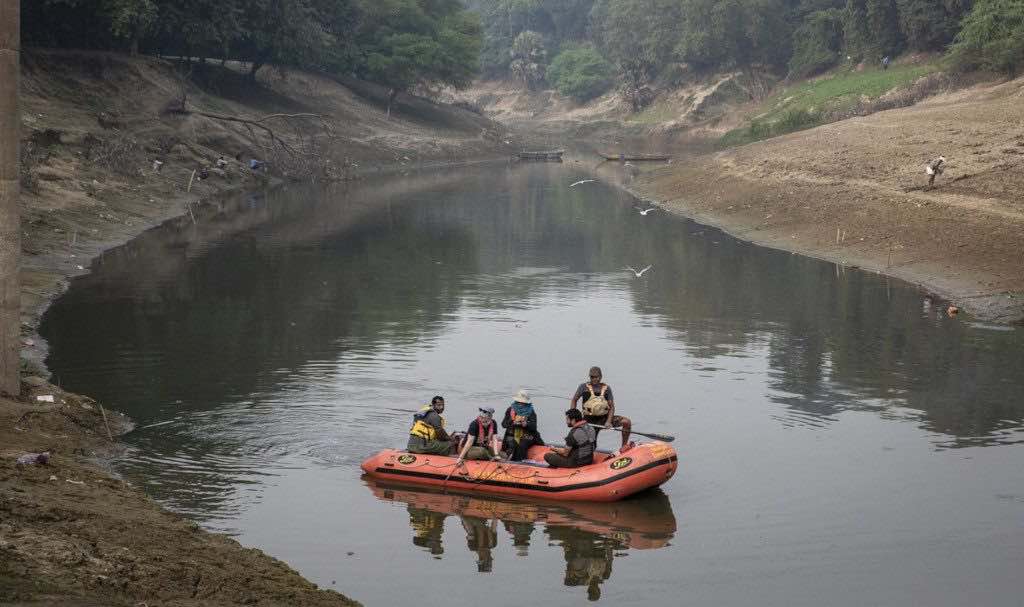
Mapping Microplastics Along The Ganges River Basin
Combined flows from the Ganges-Brahmaputra-Meghna river basin could send up to three billion microplastics each day into the Bay of Bengal.
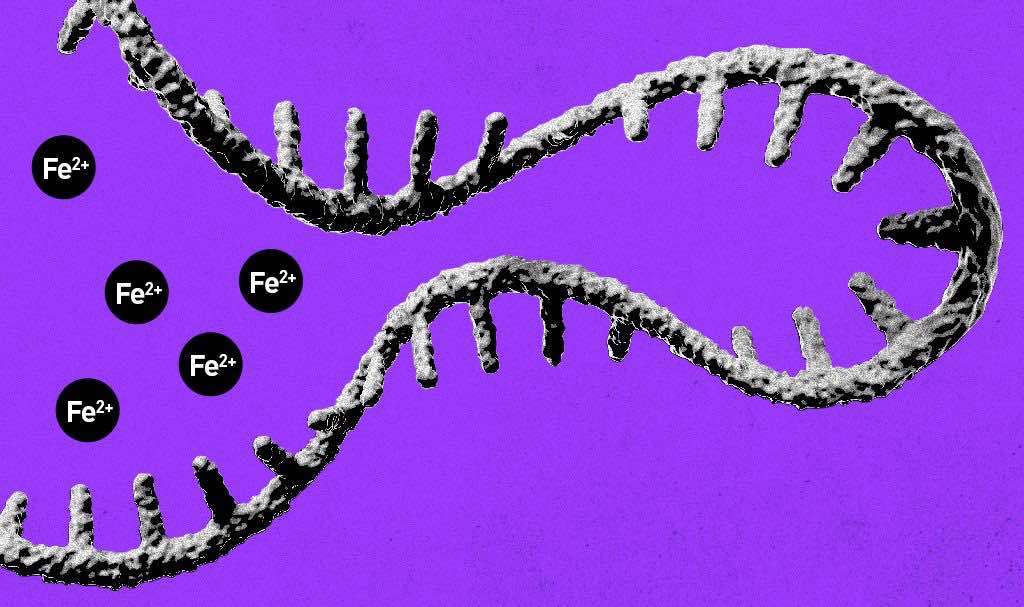
Sensei RNA: The Iron-sensing Master
In yet another serendipitous discovery, researchers from India have identified a new class of RNA molecules that can selectively recognize iron called ‘Sensei RNA.’

Soft Robot Explores The Deepest Of The Deep
In a landmark achievement in soft robotics, scientists have developed a silicone robot that can navigate the bone-crushing pressures of the Mariana Trench.