


The Asian Scientist 100
Tan Eng King

Institution
National Neuroscience Institute
Country
Singapore
Field
Life Sciences
Tan Eng King received the 2018 President’s Science Award for identifying clinical biomarkers, developing novel models and transforming patient care in Parkinson’s Disease. (Photo: National Neuroscience Institute)
Related articles

Humble Leadership Boosts Learning And Growth
Teachers share and learn better together under humble leadership, according to researchers from China and the United States.

Probing The Ocean Before The Storm
A study by researchers in Hong Kong and London suggests that atmosphere climate models including ocean systems are better in predicting storm behavior

Streamlining Robust Cell Line Development
Novel bioprocessing technologies can enable the development of robust, high-yield cell lines, supporting advances in biomedical research and pharmaceutical innovation.
Lenovo Accelerates Genomic Research With The Power Of HPC And AI
Sinisa Nikolic, Asia Pacific Director of HPC and AI at Lenovo ISG tells us how their latest tool can help researchers map the genomes of a cohort of people 188 times faster than before.

Understand, Innovate, Implement
Over five decades of innovation and commercialization experience has equipped IPI Innovation Advisor Dr Loh Wah Sing with the tools to help SMEs access new target markets.
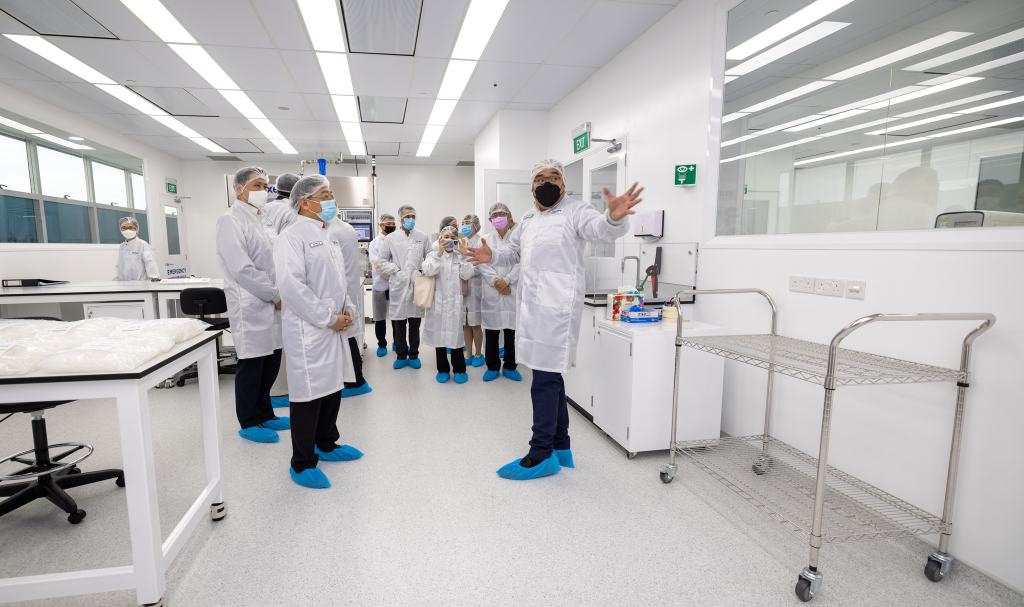
MiRXES Launches New Manufacturing and Research Capabilities
With a slew of new capabilities and a collaborative project, biotechnology company, MiRXES, hopes to contribute to Singapore’s vision of early cancer screening.

Visionary Insight Into Dementia
Sight impairment could increase one’s risk of developing dementia, finds a research team from China and the United States.

Filtering Poisons With Seeds
Waste from vegetable oil manufacturing could cheaply and effectively remove toxic heavy metals from contaminated water, find a Singaporean-Swiss research team.

Kangaroo Dads
Fathers can establish a closer bond with their infant child through skin-to-skin contact or Kangaroo care, reports researchers from Australia and the United Kingdom.