


The Asian Scientist 100
Tan Eng King

Institution
National Neuroscience Institute
Country
Singapore
Field
Life Sciences
Tan Eng King received the 2018 President’s Science Award for identifying clinical biomarkers, developing novel models and transforming patient care in Parkinson’s Disease. (Photo: National Neuroscience Institute)
Related articles

High-Temperature Superconductivity In Atomically Thin Films
Researchers have succeeded in creating atom-thick films that show superconductivity, making applications more feasible.
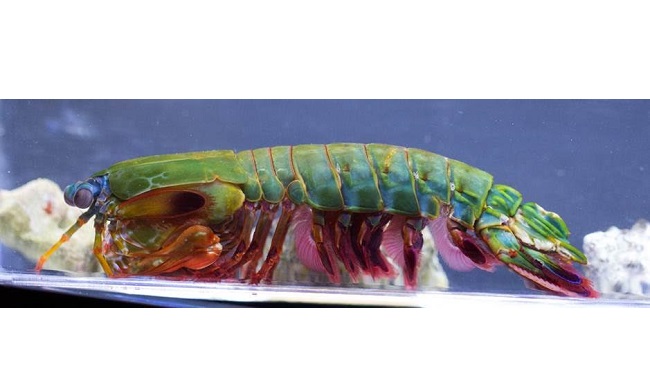
How Mantis Shrimps Punch Above Their Weight
A detailed understanding of the properties that give mantis shrimp super-strong dactyl clubs could inform the design of bullet-proof materials and long-lasting hip implants.

Electronics Delivered To The Brain By Injection
One million times more flexible than existing flexible electronics, the injectable mesh can be directly delivered to the brain.

Making Liquids Stay Right Where You Want Them
Additives and micro-contact printing could be used to reduce friction even in microelectromechanical systems, study says.

Lost Memories Retrieved
A study in mice has shown that memories are inaccessible but not completely lost in retrograde amnesia, suggesting that memory retrieval might one day be possible.

What We Talk About When We Talk About Mental Health
Much more can and needs to be done to address the sensitive topic of mental health in Asia.

The Science Of Identity
Fingerprint and retina scanners may have entered popular culture, but how widely accepted are biometric technologies and what are the issues concerning their use?
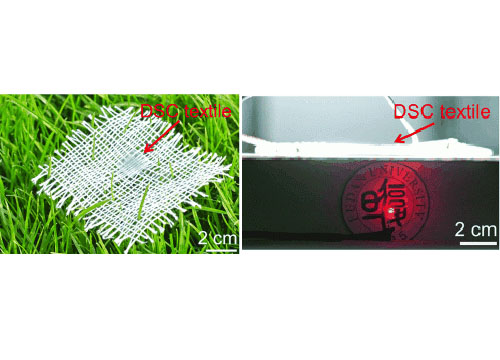
Stacked Electrodes To Make Solar Cells Wearable
Wearable solar cells are now one step closer to reality with the development of flexible and efficient solar cells based on stacked electrodes.

Solar Power Breaks Supercritical Barrier
Scientists have shown that solar power can be used to generate supercritical steam, making renewable energy more cost competitive.