


The Asian Scientist 100
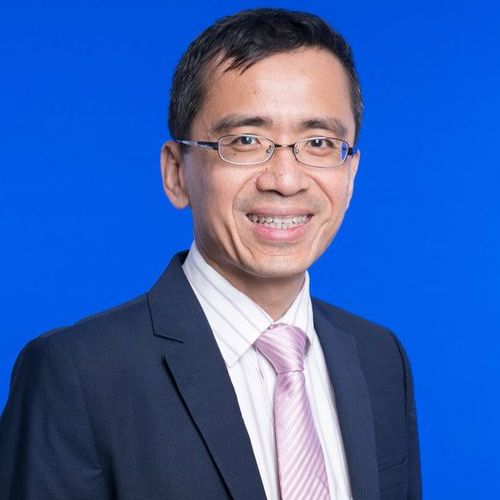
Tan Eng King
Institution
National Neuroscience Institute
Country
Singapore
Field
Life Sciences
Tan Eng King received the 2018 President’s Science Award for identifying clinical biomarkers, developing novel models and transforming patient care in Parkinson’s Disease. (Photo: National Neuroscience Institute)
Related articles
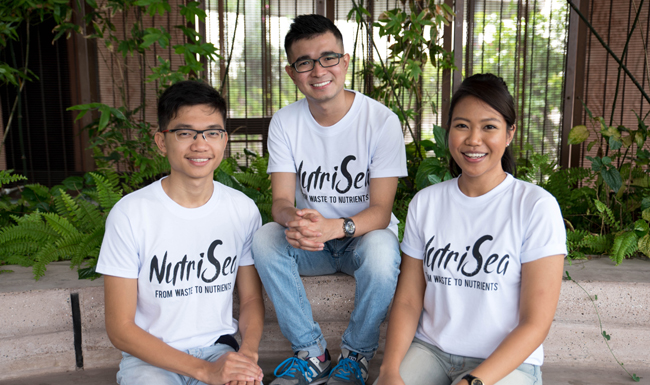
Nutritional Seaweed Kit Wins Shell Ideas360 Audience Choice Award
A kit that makes nutritional supplements out of seaweed has topped a live audience vote at Shell’s global innovation competition.

10 ’Omics You Need To Know
Confused by the proliferation of ‘omics but don’t want to be left behind? Fret not, Asian Scientist Magazine has got you covered with our handy explainer on the hottest ‘omics around.
What’s The Address? Three Little Words Can Tell You
GPS? What GPS? Three-word phrases could be a promising alternative to street names and house numbers in places where few people possess street addresses.
Chronic Diseases In The Crosshairs
Diabetes may affect 350 million people worldwide, but they do not all need to be treated the same way, says clinician scientist Dr. Tai E Shyong, who studies the epidemiology of metabolic diseases.

Diagnosis Without Doctors: Could PCs Replace GPs?
Computers may not have much by way of bedside manner, but they can carry out tasks human doctors can’t, processing gigabytes of data for a more personalized diagnosis.

Cleaning Up Oil Spills With 3D-Printed Skimmers
Researchers have designed oil-skimmers that can be 3D-printed in the field as a practical way to filter and store oil from spills.

12 Scientists Recognized At Japan Research Front Awards
These scientists were recently recognized for their research at the Japan Research Front Awards 2016.
Particle Measuring Systems Sets The Standard For Contamination Monitoring
Particle Measuring Systems has been the industry leader in contamination monitoring solutions since 1972, with a strong presence spanning the globe.
Distinguished Scientists Say These Are The Grand Challenges For Science
From harnessing artificial intelligence to understanding our origins, a panel of distinguished scientists outlined the grand challenges for science in the 21st century.