


The Asian Scientist 100
Lu Ke

Institution
Chinese Academy of Sciences
Country
China
Field
Materials Sciences
Lu is the winner of the 2020 Future Science Prize (Physical Science Prize) for discovering and synthesizing a superior nanotwinned structure and gradient nanostructure.
(Photo: Future Science Prize)
AWARDS
- Future Science Prize 2020
Related articles

Fighting Pathogens With Antimicrobial Technologies
Healthcare facilities are susceptible to the spread of infections, but developments in antimicrobial technologies are working to wipe the danger of harmful microorganisms out.

Averting Asia’s Water Crisis
Through high-speed, high-resolution exascale computing, researchers and citizen scientists are tackling water stress across Asia by discovering better ways to treat water and monitor its flow.

Neem Tree Bark Extract May Help Fight COVID-19
Extract from the bark of the Neem tree may help reduce the spread of coronavirus, an India-US research team reported.

Turning The Tide With AI And HPC
By harnessing both artificial intelligence and high performance computing in one powerful model, scientists from Japan are making real-time tsunami prediction more accessible.

Unleashing The Potential Power Of Energy Harvesting For IoT Devices
As the number of Internet of Things devices continues to grow, innovators explore energy harvesting as a promising solution to ensure power availability.

All-women Philippine Team Wins UNESCO Sustainable Engineering Hackathon
WONDERPETS from the Philippines devised a sustainable way to reduce water pollution. We are celebrating their UNESCO hackathon victory today on International Women's Day.

Designing A Menu For The Future
Technological advances and design thinking approaches offered food for thought at TechInnovation 2021 as experts discussed the future of Asia’s agricultural sector.

Understanding The Drive For Social Connection
A peptide associated with regulating parental behavior in mice may be important in understanding loneliness, and the craving for social interaction.
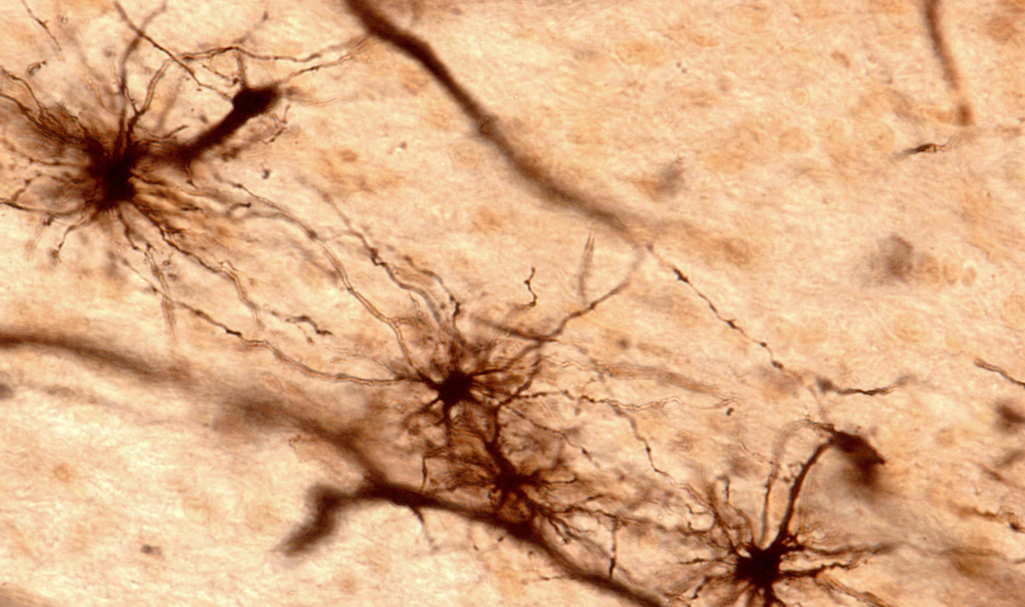
Astrocytes: More Than Just A Neuron’s Assistants
Astrocytes could be contributing to storing memories and more in the brain, hints a study from Japan.