


The Asian Scientist 100
Lu Ke
Institution
Chinese Academy of Sciences
Country
China
Field
Materials Sciences
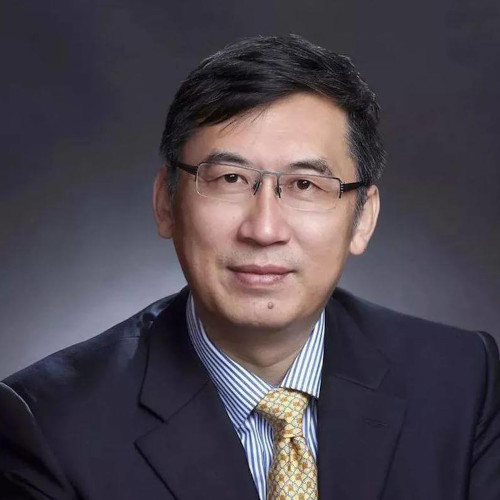
Lu is the winner of the 2020 Future Science Prize (Physical Science Prize) for discovering and synthesizing a superior nanotwinned structure and gradient nanostructure.
(Photo: Future Science Prize)
AWARDS
- Future Science Prize 2020
Related articles
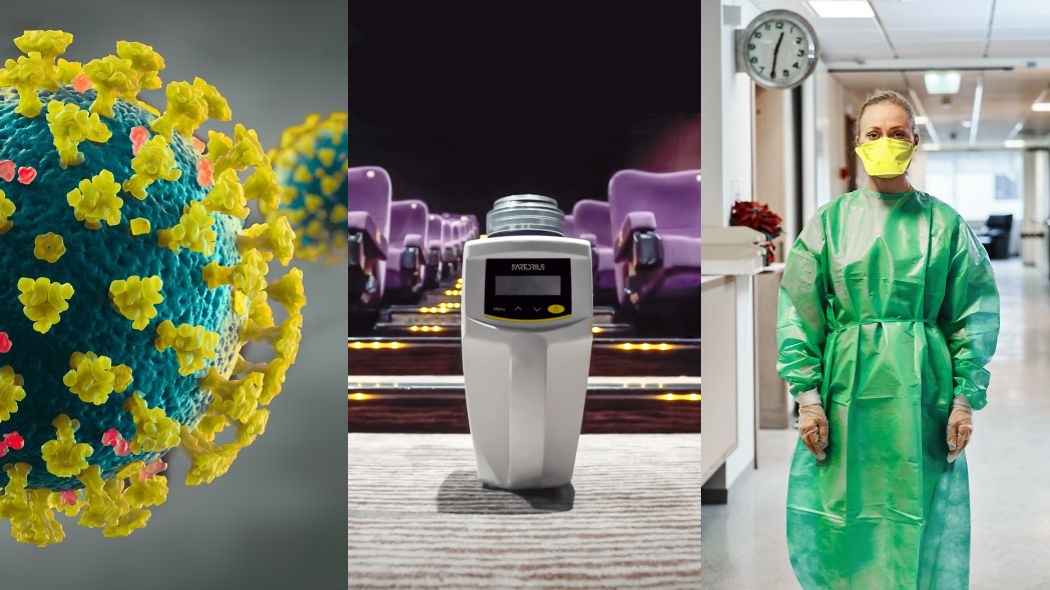
Keeping Communities Safe With Environmental Testing
Environmental testing can equip the public health system with better means to monitor and curb the spread of infectious diseases.

In Touch With Tech Trends
Exciting innovation in robotics, health and sustainability lie on the horizon for Singapore’s technology landscape.

Watching Out For Depression Risk
Scientists from Singapore have developed a machine learning program to predict depression risk based on vital signs tracked by wearables.

Supercomputers To The Rescue!
With high performance computing tools, Singapore is bolstering its response to emerging threats such as infectious diseases and climate change.

Transforming Food Waste Into Wonder
Creative techniques that repurpose food waste into a range of valuable products are giving even fruit peels and fish scales a new lease on life.

Powering Through The Pandemic With Supercomputers
By performing trillions of calculations per second, supercomputers are accelerating COVID-19 diagnosis and the development of test kits and vaccines to help scientists combat the pandemic.

Moving MedTech To Market
With a keen understanding of the medtech ecosystem, IPI Innovation Advisor Professor Ignatius Rasiah helps companies take their technology from research to market-ready products.

Singapore Supercomputing Projects Awarded Access To Fugaku
Five Singapore-based research projects will soon make use of the world’s fastest supercomputer to address challenges from materials science to sustainability.

15 Winners Recognized For Asian Scientist Lab Tech Of The Year 2021
The national competition organized by Asian Scientist Magazine honors 15 laboratory technicians who are making waves in Singapore’s research and innovation ecosystem.