


The Asian Scientist 100
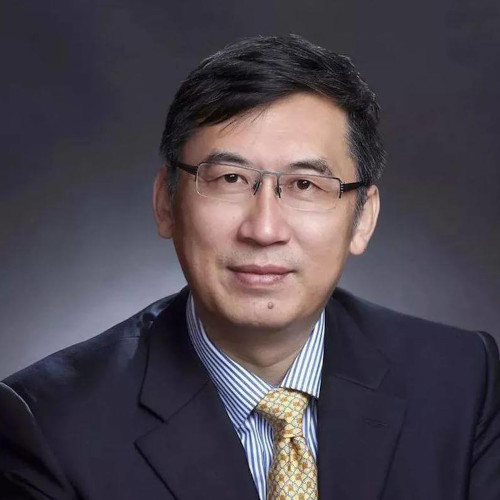
Lu Ke
Institution
Chinese Academy of Sciences
Country
China
Field
Materials Sciences
Lu is the winner of the 2020 Future Science Prize (Physical Science Prize) for discovering and synthesizing a superior nanotwinned structure and gradient nanostructure.
(Photo: Future Science Prize)
AWARDS
- Future Science Prize 2020
Related articles

Scaling Up Viral Surveillance
Twist Bioscience’s target enrichment approach streamlines the discovery, monitoring and management of viruses and their transmission.
Looking Back And Ahead: How A Scientist In Singapore Breaks Ground In Cancer Research
Known for his work on chronic myeloid leukemia, Dr Ong Sin Tiong at Duke-NUS Medical School continues to shed light on the mechanisms of drug resistance in this hematologic cancer.

Powerhouse Women Engineers Of Our Time
To celebrate International Women in Engineering Day 2023, we look at the exceptional work of five trailblazing female engineers who are shattering gender stereotypes in the field.

A New Ultrafast Camera Captures Molecular Dynamics In Cells
A new imaging technique can capture dynamic interactions of single molecules at 10,000 frames per second.

Spearheading Singapore’s Sustainable Development
Through applied research and industry collaboration, researchers at the Singapore Institute of Technology address sustainability and circularity issues in the key sectors of food, chemical and biotechnology.

Trapping Toxins to Prevent Sepsis
Researchers from Singapore have developed synthetic nanonets, which catch bacterial toxins and pro-inflammatory cytokine molecules, offering potential breakthroughs in sepsis treatment.

Shaping A Sustainable Future For People And Planet
Research conducted in Vietnam indicates that supporting sustainable food production and consumption practices can help pave the way for improving both human and environmental health.

Advancing Accessible ‘Green Science’ With Illumina’s NovaSeq™ X Series
Quicker, more powerful and more sustainable than its predecessors, the NovaSeq X series of sequencers is set to advance genome research and patient care in Asia.

Saving Tigers Helped Reduce India’s Carbon Emissions
Research shows that tiger conservation interventions prevented forest loss, leading to reduced emissions and ecosystem benefits.