


The Asian Scientist 100
Lu Ke
Institution
Chinese Academy of Sciences
Country
China
Field
Materials Sciences
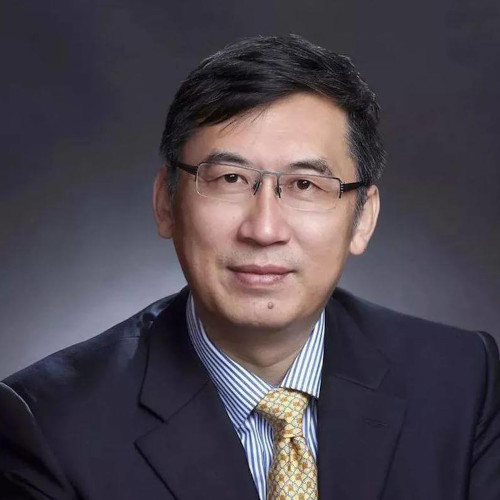
Lu is the winner of the 2020 Future Science Prize (Physical Science Prize) for discovering and synthesizing a superior nanotwinned structure and gradient nanostructure.
(Photo: Future Science Prize)
AWARDS
- Future Science Prize 2020
Related articles

What It Takes To Win The Student Cluster Competition
We catch up with the team from Nanyang Technological University, Singapore, that scored a record-breaking win at the SC17 Student Cluster Competition.
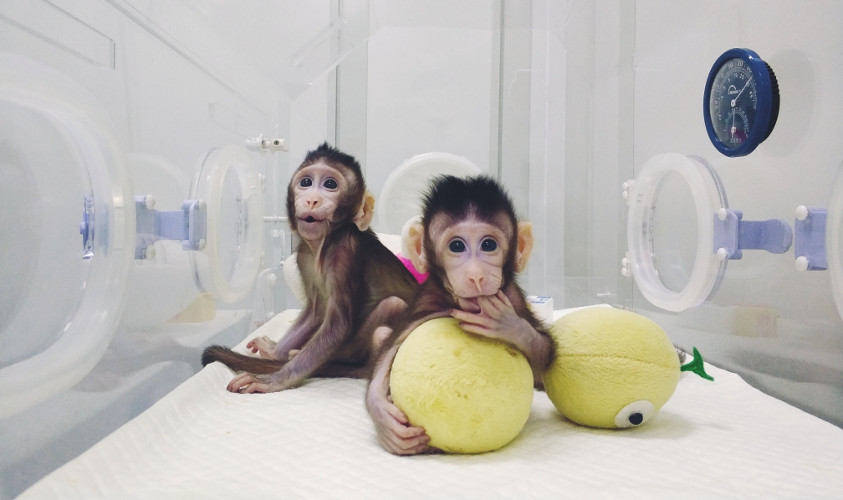
Chinese Scientists Successfully Clone Macaques
The twin macaques, named Zhong Zhong and Hua Hua, are the first primates to be cloned using somatic cell nuclear transfer.

The Yin And Yang Of Balance In The Brain
Scientists in Hong Kong have identified two proteins that are involved in maintaining the balance between excitation and inhibition in the brain.

Gene Mutation Causes Hereditary Parkinson’s Disease
Scientists in Japan have used a fruit fly model to demonstrate that a mutation in the DNAJC3 gene is responsible for the death of dopaminergic neurons in Parkinson's disease.

Sorting Car Scraps Could Help Save Millions
Detailed sorting of scrap car parts could not only improve the recycling rate of alloys, but also save steelmakers millions of dollars and reduce their greenhouse emissions.

Shining A Spotlight On Vitamin C
Scientists in Japan have invented a probe that allows the tracking of vitamin C in the bodies of mice.

Quantum Communication Goes Intercontinental
Combining the Micius satellite’s capabilities with metropolitan quantum networks, Chinese scientists have securely transmitted images and video between China and Austria.

A Small Way To Make Quantum Dots Brighter
A team of researchers in South Korea have found that metallic nanostructures can improve the efficiency of quantum dot LEDs.

Why Sugar Starvation Kills Some Cancer Cells
Starving cancer cells of sugar under conditions of elevated calcium can result in cancer cell death, scientists say.