


The Asian Scientist 100
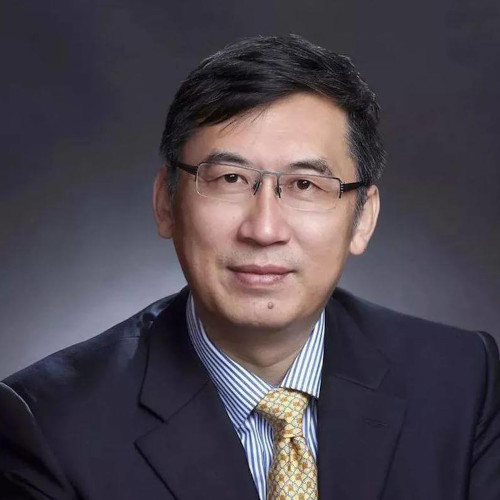
Lu Ke
Institution
Chinese Academy of Sciences
Country
China
Field
Materials Sciences
Lu is the winner of the 2020 Future Science Prize (Physical Science Prize) for discovering and synthesizing a superior nanotwinned structure and gradient nanostructure.
(Photo: Future Science Prize)
AWARDS
- Future Science Prize 2020
Related articles
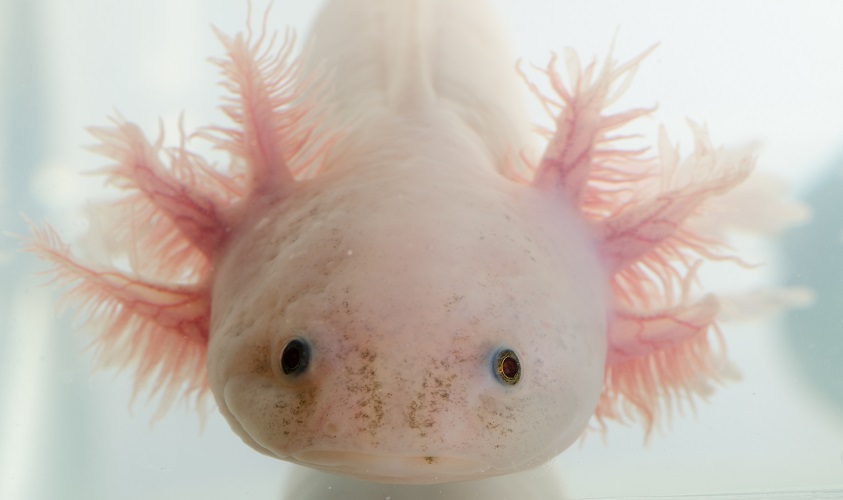
Growing The Model Organism Menagerie
Yeast, flies and worms may be mainstays in biology laboratories, but non-traditional model organisms like salamanders, giant protists and tardigrades are fast becoming easier to study.

Pop In Your Contact Lenses To Read Your Glucose Levels
Researchers in South Korea have developed smart contact lenses that can monitor glucose levels using tears.

Taking The Pulse Of Healthcare Regulations
Taught by leading industry experts, the Master of Science in Management of Health Industries course at ESSEC Asia-Pacific gives students a behind-the-scenes understanding of how healthcare is regulated.

Intuition In The Age Of Information
Data may rule the digital age, but it cannot completely replace gut instinct and business experience, says Professor Li Yan of ESSEC Business School, Asia-Pacific.

Fabricating Aerogels From Fabric Waste
Scientists in Singapore have developed an aerogel from cotton-based waste that can be used to stop excessive bleeding.

Makoto Fujita Receives The 2018 Wolf Prize In Chemistry
For his outstanding contributions to metal-guided synthesis, Professor Makoto Fujita was awarded the 2018 Wolf Prize in chemistry.

Mobile Phones Worsen Healthcare Inequality In India
Families in India with no mobile phones have lower access to private health services, and this may discriminate against poorer households.

Two Asian Scientists Receive 2018 OWSD-Elsevier Foundation Awards
A mathematician from Bangladesh and a chemist from Indonesia were among the winners of the 2018 OWSD-Elsevier Foundation Awards for Early-Career Women Scientists in the Developing World.

Mutations More Common In Asian Lung Tumors
In Asians, lung tumors are more genetically diverse, with implications for treatment response, according to research by scientists in Singapore.