


The Asian Scientist 100
Lu Ke

Institution
Chinese Academy of Sciences
Country
China
Field
Materials Sciences
Lu is the winner of the 2020 Future Science Prize (Physical Science Prize) for discovering and synthesizing a superior nanotwinned structure and gradient nanostructure.
(Photo: Future Science Prize)
AWARDS
- Future Science Prize 2020
Related articles

Scientists Sequence Okinawan Sea Grape Genome
Not only did researchers in Japan decode the genome of the Okinawan sea grape, they also compared the genome to 15 other plant genomes to shed light on plant evolution.

Nano-Blocks That Mix And Unmix In Response To Heat
Researchers in Japan have designed two types of nano-blocks that can combine and scramble repeatedly based on temperature differences in their environment.
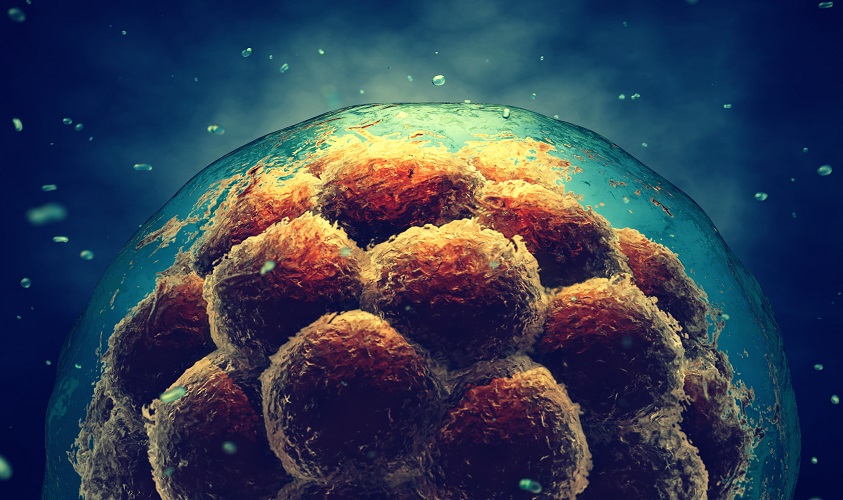
Microscopy To Measure The Potency Of Stem Cells
Researchers in Japan have developed a modified version of differential interference contrast microscopy which helps identify pluripotent stem cells with the greatest medical potential.

Getting Stem Cells Ready To Repair Hearts
Using a drug and proteins known as laminins, scientists have found a way to induce stem cells to differentiate into cardiac muscle-like cells, fibroblast-like cells and epithelial-like cells.

Weaving Electronic Fibers Into Fabric
Researchers in China have developed a 3D printer equipped with a coaxial nozzle that threads energy-harvesting fibers onto fabrics.

i-Tiles For Teaching Special Needs Students
Scientists in Singapore have developed an interactive education system to help students with special needs learn better.

Sydney Brenner, ‘father of the worm’ and decoder of DNA, dies at 92
Known for his sharp wit, visionary thinking and versatility, Brenner made many seminal contributions to molecular biology over the course of a seven-decade career.

7 Must-Read Stories In March 2019
Stories about outstanding scientists topped the charts in the month of March, but readers were also curious about feats of engineering and studies about diseases.

Biconcave Nanodisks Wreak Havoc On Tumors
An international team of scientists has developed drug-loaded biconcave carbon nanodisks that accumulate preferentially in tumors.