


The Asian Scientist 100
Lu Ke

Institution
Chinese Academy of Sciences
Country
China
Field
Materials Sciences
Lu is the winner of the 2020 Future Science Prize (Physical Science Prize) for discovering and synthesizing a superior nanotwinned structure and gradient nanostructure.
(Photo: Future Science Prize)
AWARDS
- Future Science Prize 2020
Related articles

Lab-Grown Mini-Brains Link Up
Researchers in Japan have found a way to mimic the architecture of the brain using neurons grown on a microdevice.
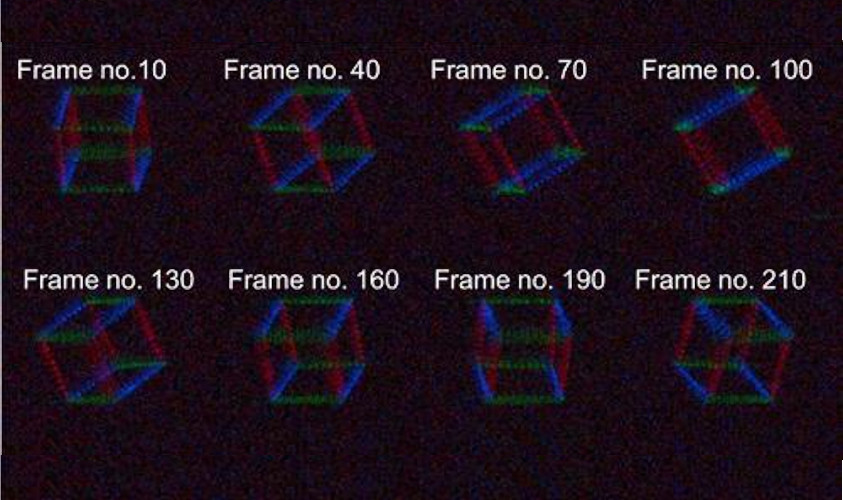
Pinholes Filter Photons For Better 3D Holographic Displays
By placing a titanium film riddled with holes behind an off-the-shelf LCD display, scientists in South Korea found a straightforward way to produce holograms.

A Light To Guide Stem Cells To Sites Of Injury
Scientists in China have designed a light-activated 'remote control' to target stem cells towards wounds.

How Insects Develop Nanopores For Sniffing
A gene, called gore-tex, is responsible for forming nanopores on the olfactory organs of insects, say researchers in Japan.
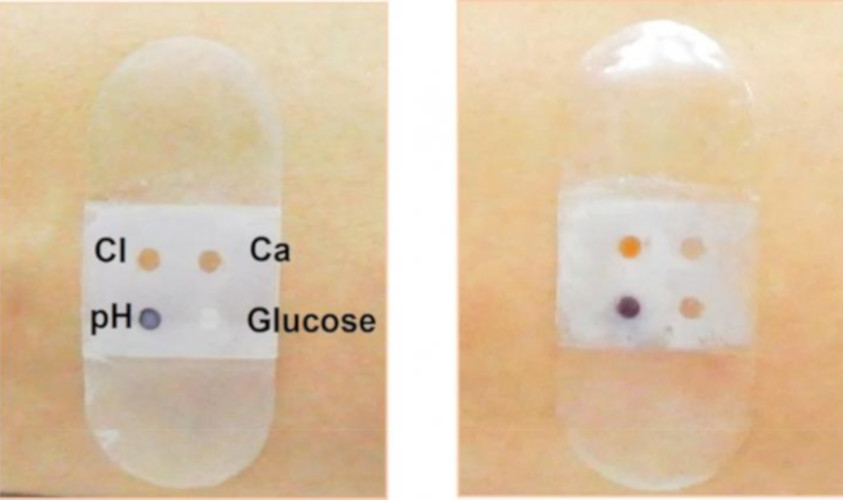
Biosensor Bandage Samples Sweat
Using their adhesive biosensor, researchers in China were able to measure the pH of sweat, as well as the concentration of glucose, calcium and chloride in the biofluid.

Scientists Uncover New Mongolian Dinosaur Species
Researchers in Mongolia and Canada reported that the new species sheds light on the evolution of hadrosaurs, dominant herbivores of the Late Cretaceous.

Asia’s Rising Scientists: Varisa Pongrakhananon
Find out how Dr. Varisa Pongrakhananon's research on microtubules is paving the way for potential cancer therapies.

A One-Step Process To Make ‘Green’ Plastics
An international team of scientists has developed a straightforward method to produce bio-based plastics.

Nearly Half Of Indian Teens Don’t Fare Well In School Due To Hunger
Food insecurity is linked to lower test scores in adolescents, according to an international team of researchers.