


The Asian Scientist 100
Long Ran

Institution
University of Science and Technology of China
Country
China
Field
Chemistry
Long won the 2017 L’Oréal UNESCO For Women in Science International Rising Talent award for her research on photocatalysts for carbon dioxide reduction.
(Photo: L’oréal Foundation)
AWARDS
- 2017 LOréal-UNESCO For Women in Science International Rising Talent Award
Related articles
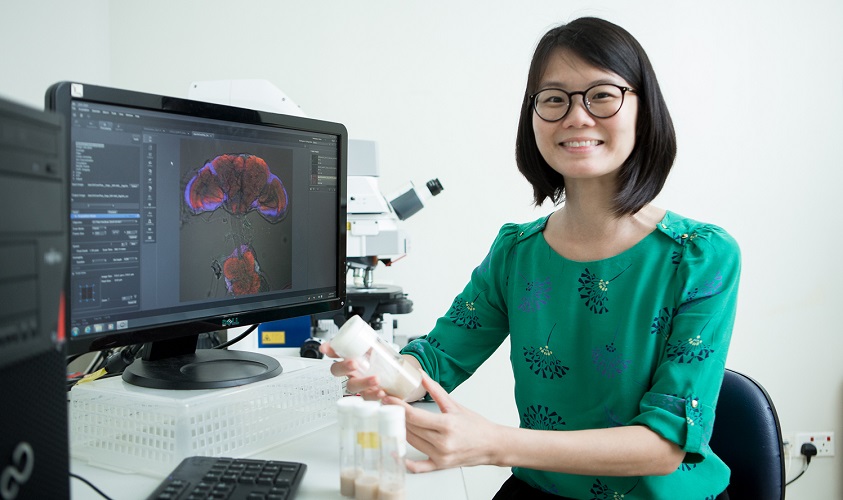
Asia’s Rising Scientists: Sherry Aw
Making discoveries on the fly is all in a day's work for Dr. Sherry Aw, one of three scientists from the Asia-Pacific to be recognized as a L’Oréal-UNESCO For Women In Science International Rising Talent in 2019.

NTU And Volvo Unveil World’s First Full-Size Self-Driving Bus
The bus is equipped with a range of sensors for autonomous navigation and is managed by a secure artificial intelligence system.

Taking ECG Rhythm And Ventilation To Heart
Whether or not a cardiac patient presents with a shockable ECG rhythm affects the type of airway management technique administered, say researchers in Japan.

Zika Virus Endemic In Thailand, Study Shows
Unlike in South America where the Zika virus disappears two or three years after outbreaks, Zika transmission in Thailand has persisted for at least 16 years.
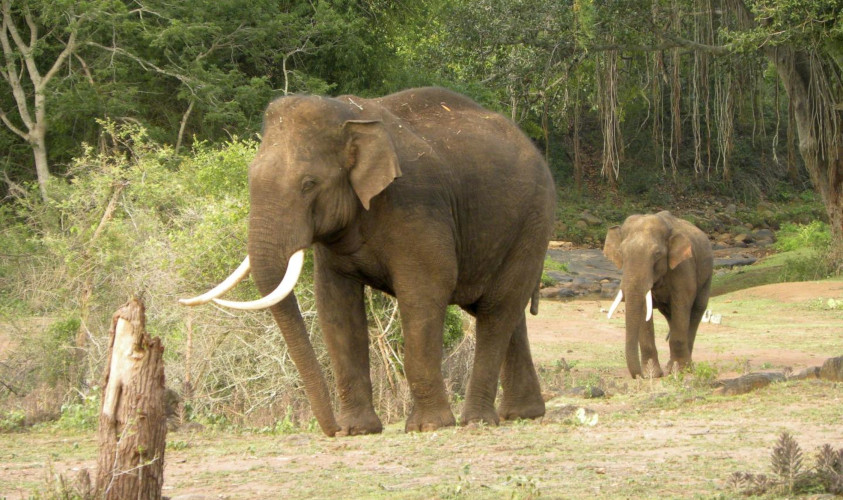
Study Predicts Major Losses To Asian Elephant Habitats By 2070
Asian elephants may lose up to 42 percent of suitable habitats in India and Nepal by 2070, according to research by an international team of scientists.
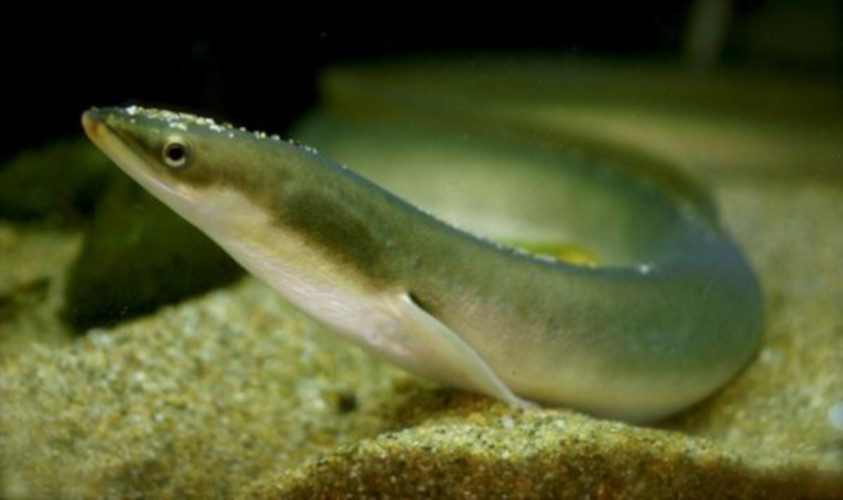
Endangered Eels Found Using eDNA
Based on DNA shed by organisms into the environment, scientists in Japan have found a way to measure the distribution of endangered eel species in Japan.
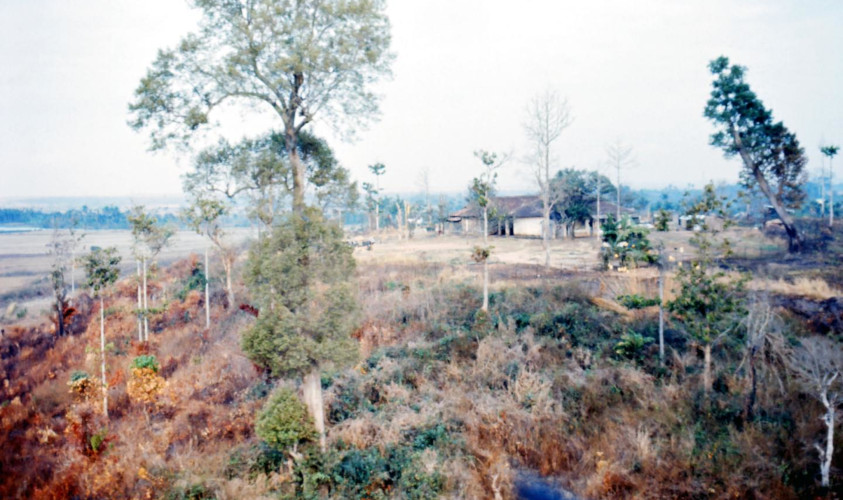
Agent Orange Contamination Persists In Vietnam, Study Shows
Toxic byproducts of Agent Orange continue to pollute the environment in Vietnam, say researchers in the US.

Tracking The Spread Of Cassava Mosaic Virus
The Sri Lankan cassava mosaic virus threatens 3.5 million hectares of crops in Southeast Asia, highlighting the need for disease-resistant varieties, say researchers.

26 Fantastic Female Scientists
These 26 female scientists are all movers and shakers in their chosen fields, from mathematics to materials science.