


The Asian Scientist 100
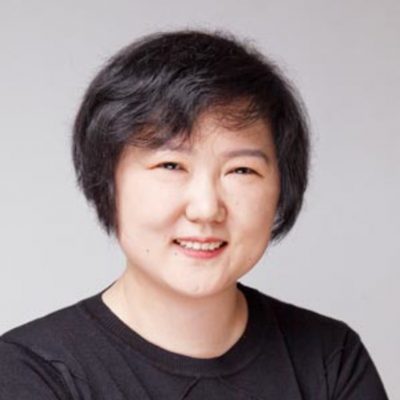
Long Ran
Institution
University of Science and Technology of China
Country
China
Field
Chemistry
Long won the 2017 L’Oréal UNESCO For Women in Science International Rising Talent award for her research on photocatalysts for carbon dioxide reduction.
(Photo: L’oréal Foundation)
AWARDS
- 2017 LOréal-UNESCO For Women in Science International Rising Talent Award
Related articles
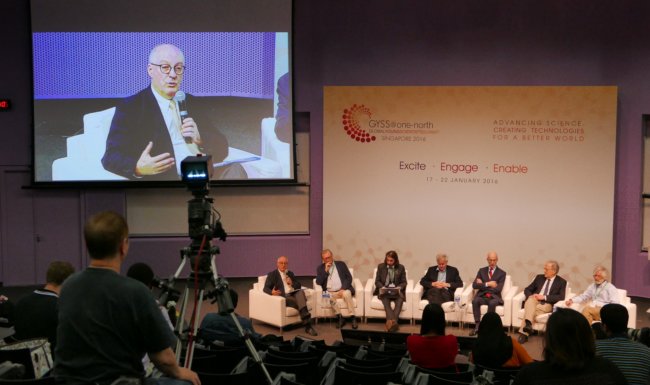
Scientists Should Engage The Public, Says GYSS 2016 Panel
Scientists themselves need to help educate the public on the work they do, say panelists at the Global Young Scientists Summit 2016.

Cell Conversion? There’s An App For That
Mogrify is an algorithm that helps researchers predict the set of transcription factors required to convert one cell type into another.
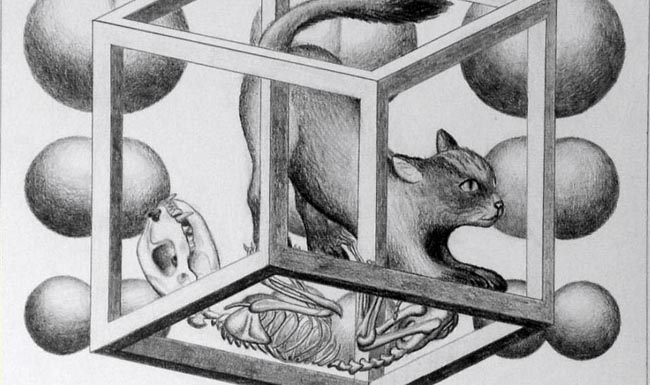
Of Cats And Cancers
In life as in quantum physics, we sometimes exist in a state of superposition. What happens when the wave function collapses?
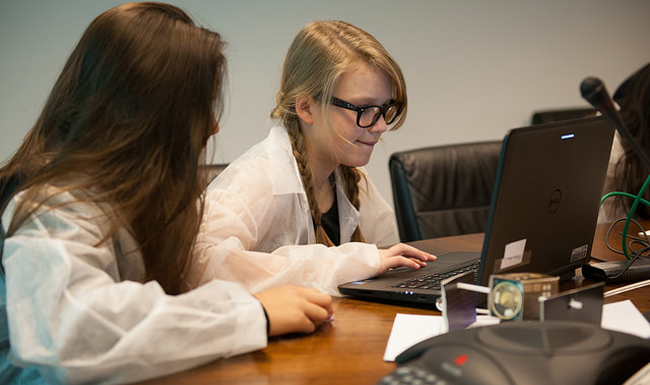
Report Emphasizes STEM Education For Higher Skills
A report by the UN Development Program points to a shift in the types of jobs that are now outsourced and offshored towards ones with higher skills, particularly in information and communications technology.
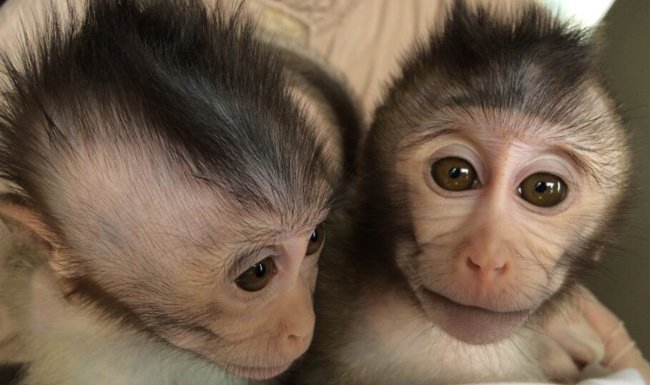
Monkeys Genetically Modified To Show Autism-Like Behavior
A monkey model of autism which more closely mimics the condition in humans could help researchers understand what causes the disease.

What Chocolate Footsteps Reveal About The Brain
Apart from having a fascinating perspective of our everyday experience, people with synesthesia could also teach us about how our senses work in the first place.

Betting Big On The Brain
Professor Nancy Ip blends the latest technologies with the ancient wisdom of traditional Chinese medicine, all in the name of solving challenges such as Alzheimer’s and other neurological disorders.

Can You ‘Catch’ Alzheimer’s?
As the list of diseases caused by prions continues to grow, should we be worried that common neurological diseases such as Alzheimer’s and Parkinson’s could be contagious?

Scientific Success Can Happen Anywhere, Says Nobel Laureate Carlo Rubbia At GYSS 2016
Scientific success can happen anywhere and to anyone, says Carlo Rubbia, winner of the 1984 Nobel Prize in Physics.