


The Asian Scientist 100
Long Ran

Institution
University of Science and Technology of China
Country
China
Field
Chemistry
Long won the 2017 L’Oréal UNESCO For Women in Science International Rising Talent award for her research on photocatalysts for carbon dioxide reduction.
(Photo: L’oréal Foundation)
AWARDS
- 2017 LOréal-UNESCO For Women in Science International Rising Talent Award
Related articles

Asia’s Scientific Trailblazers: Amit Sharma
Dr. Amit Sharma is leading the charge in the search for new drugs against the ancient scourge of malaria.

Asia’s Scientific Trailblazers: G. Ravindra Kumar
Science is an uphill task, but one that laser physicist Professor G. Ravindra Kumar relishes and is deeply passionate about.
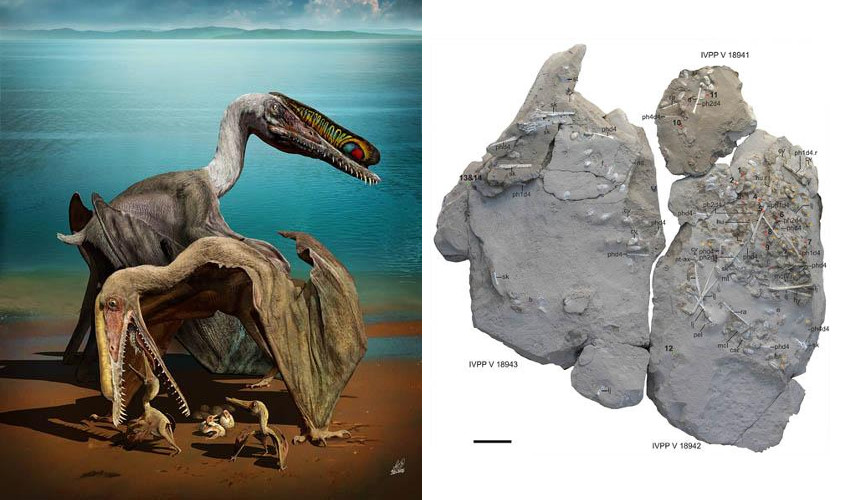
Fossilized Eggs Shed Light On Flying Dinosaurs
Three-dimensionally preserved eggs of pterosaurs reveal the history behind the life cycle of the dinosaur.

Memory Of Faces Declines In Early Dementia
Scientists in Japan have demonstrated that the ability to memorize faces decreases during the preliminary stages of dementia.

L’Oréal Singapore Honors Two Women For Research Excellence
Two outstanding women in science were awarded the L’Oréal Singapore For Women In Science National Fellowship 2017.

New Delhi Smog “Rivals 1952 London”
The PM 2.5 concentration in New Delhi, India is more than twice of Beijing, China, previously the world's most polluted city.

Harmful Bacteria Hitch A Ride On Houseflies
Scientists in Singapore have sequenced the genomes of flies and their associated bacteria to demonstrate that flies may be used for disease monitoring.

10 Lab Hacks That Could Save You Time And Effort
Ever wondered why some scientists seem so carefree in the lab? Perhaps they've optimized their protocol with some of these lab hacks.
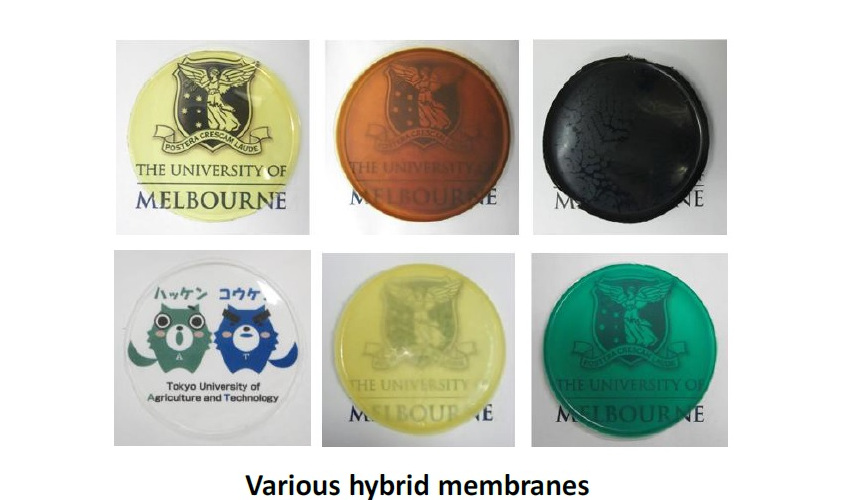
Material Choice Key To Effective Carbon Capture
The choice of material is important for the selective capture of carbon dioxide from industrial gas streams in real-world scenarios.