


The Asian Scientist 100
Lisa Ng

Institution
A*STAR Infectious Diseases Labs and A*STAR Biomedical Research Council
Country
Singapore
Field
Biomedical Sciences
Ng won the President’s Science Award 2025 for her pioneering contributions to viral infection immunology and advancing global pandemic management through groundbreaking research on arboviruses, particularly Chikungunya.
AWARDS
- President’s Science Award 2025
Related articles

The Good, The Bad And The Ugly Of Botulinum Toxin
Rieter Venter explains what botulinum toxin, or Botox, does to the body and why its possible presence in milk formula is cause for concern.

Conservationists ‘Living With Grief’
Conservationists are constantly living with grief, says a leading Australian conservation scientist.

ANALYSIS: Southeast Asia Slowly Accepting Harm Reduction
Southeast Asia is slowly embracing harm reduction in an effort to curb illicit drug use and HIV/AIDS, but huge obstacles remain, experts say.

China’s Contribution To The Global Mitigation Effort
China has taken decisive action in recent years towards a more environmentally sustainable growth model, writes Ross Garnaut.

IQ Linked To Weight Gain In First Month Of Baby’s Life
New research shows that weight gain and increased head size in the first month of a baby's life is linked to a higher IQ at early school age.
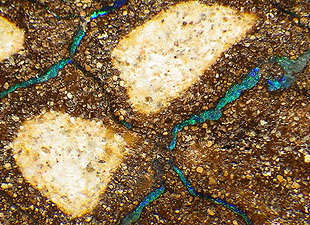
Australia’s Opal-Rich Red Center Shows Similar Geology To Red Planet
The dramatic geological events that created opal, Australia's national gemstone, have also been described at the surface of Mars.

Concern Over Unsafe Abortions In Papua New Guinea
Health experts are concerned about the number of unsafe abortions taking place in Papua New Guinea (PNG).
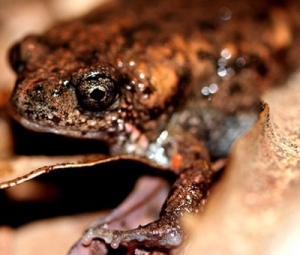
New Miniature Frog Species Discovered In Australia
A new miniature frog species has been discovered in the Pilbara region of Western Australia, an area previously thought to support very few of the amphibians.

Leftover Embryonic Cells Connect Gastric Reflux And Esophageal Cancer
Scientists have made the striking discovery that Barrett’s esophagus arises from a very small group of embryonic cells that exist in all adults.