


The Asian Scientist 100
Lisa Ng

Institution
A*STAR Infectious Diseases Labs and A*STAR Biomedical Research Council
Country
Singapore
Field
Biomedical Sciences
Ng won the President’s Science Award 2025 for her pioneering contributions to viral infection immunology and advancing global pandemic management through groundbreaking research on arboviruses, particularly Chikungunya.
AWARDS
- President’s Science Award 2025
Related articles

Separating The Infected From The Vaccinated
A newly developed diagnostic test is able to differentiate which birds have been vaccinated for bird flu and which are currently infected.

Reduced Indoor Air Pollution With NUS-Developed Filters
Designed to work with existing fans, the AiRazor filtration system effectively removes small particles and volatile organic compounds from indoor air.

DNA Analyzer In Your Pocket
Analyse DNA sequences on the go with a new app which allows you to perform functions such as reverse complementation and translation.

Food Coloring For Child-Safe Batteries
Highly concentrated food dye could alert parents to when children swallow batteries, helping them seek immediate medical attention.

Tata Communications To Invest US$200 Million In India Data Center
Tata Communication's US$200 million investment will double the capacity of its data center in New Delhi.
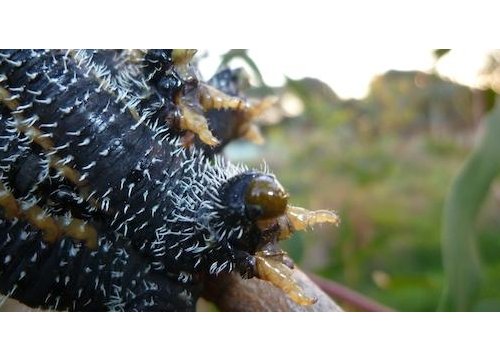
Insects Benefit From Good Leadership Too
Unlike other social animals, leadership in steel-blue sawfly groups is mutually beneficial for both leaders and followers.
Erectile Dysfunction Drug Could Affect Vision Of One In 50
Recessive carriers of the retinitis pigmentosa gene—who otherwise show no symptoms—could have visual side effects while using Viagra®, according to a study in mice.

Immune-Brain Interaction Links Stress To Depression
The immune system, in particular a receptor called TLR4, could form the link between stress and depression.

Targeting Parasite Fats In The Fight Against Malaria
Exploiting the differences between how male and female parasites put on fat could be one way to tackle drug-resistant malaria, scientists say.