


The Asian Scientist 100
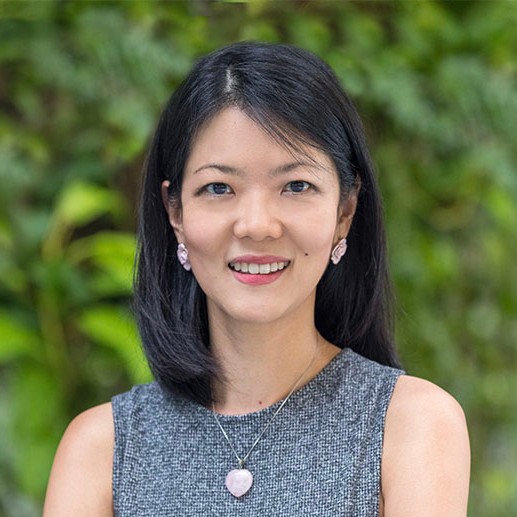
Lisa Ng
Institution
A*STAR Infectious Diseases Labs and A*STAR Biomedical Research Council
Country
Singapore
Field
Biomedical Sciences
Ng won the President’s Science Award 2025 for her pioneering contributions to viral infection immunology and advancing global pandemic management through groundbreaking research on arboviruses, particularly Chikungunya.
AWARDS
- President’s Science Award 2025
Related articles

Bringing Transparency To Financial Reporting
Research on financial reporting and disclosure examines issues at the heart of business, say Professors Cheng Qiang and Holly Yang from the SMU School of Accountancy.

The Ins And Outs Of Constitutional Review
A country’s constitution protects the rights of its citizens. But who protects the constitution? SMU Assistant Professor Maartje de Visser looks to answer this question.

Humble Leaders
What is leader humility? Is leader humility in Singapore the same as elsewhere? How much do Singaporeans value humble behaviour from their leaders? SMU Professor Gary Greguras investigates.

The Creative Science Of Video Games
SMU Associate Professor Ted Tschang dissects the creative processes that drive the billion-dollar video games industry.

Tracking The Transfer Of Ideas
Assistant Professor Yooil Bae at the SMU School of Social Sciences studies what makes one model of growth successful in one country and a failure in another.

The Link Between Heat Stress & Coral Bleaching
Moderate increases in temperature are sufficient to affect the expulsion of symbiotic zooxanthellae from corals and might explain coral bleaching.

Perfecting Gene Editing For DMD On iPS Cells
By combining iPS and gene editing technology, correcting the mutation in Duchenne muscular dystrophy patients has been made more precise.
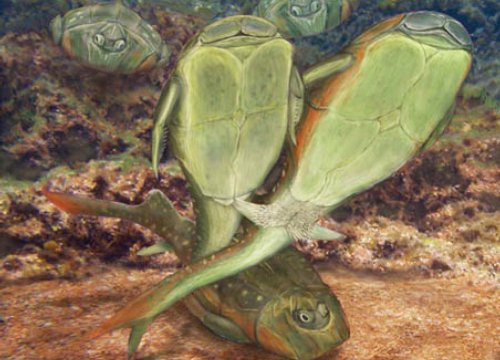
How Fishes Had Sex For The First Time
The fossilzed claspers of armored fish are the most primitive vertebrate sexual organs described to date.

Building Models From The Bottom Up
Assistant Professor Cheng Shih-Fen of the SMU School of Information Systems builds agent-based models to better understand complex systems and optimise their performances.