


The Asian Scientist 100
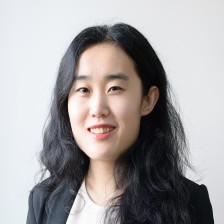
Lan Wang
Institution
Hong Kong University of Science and Technology
Country
Hong Kong
Field
Biomedical Sciences
Wang is a recipient of the 2023 Croucher Tak Wah Mak Innovation Award for her research investigating mechanisms in the mitochondria that regulate protein translation.
AWARDS
- 2023 Croucher Tak Wah Mak Innovation Award
Related articles

The ABCs Of Why Bats Rarely Get Cancer
The low incidence of cancer in bats can be attributed to high ABCB1 gene expression, according to research by scientists in Singapore.
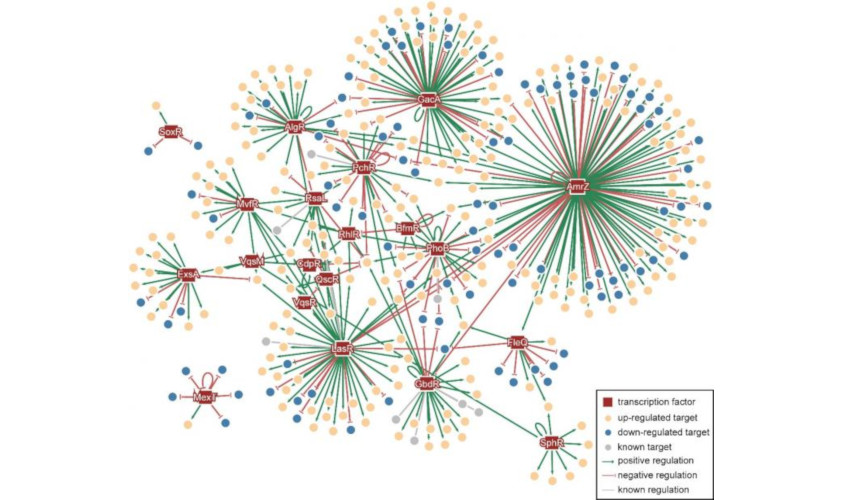
Mapping Out How A Superbug Harms Its Host
Researchers in Hong Kong have identified quorum sensing and secretion systems as some of the key elements of superbug virulence, paving the way for the development of novel antibiotics.

Seeing The Magnetic Field Of A Single Atom Up Close
An international team of scientists has performed an MRI scan of the magnetic field of single atoms.

Two Chinese Scientists Receive 2019 Alzheimer Awards
Professor Wang Yan-Jian and Dr. Bu Xian-Le were awarded for their work demonstrating that the gut microbiome influences the pathogenesis of Alzheimer's disease.

Distinguishing Molecular ‘Evil Twins’
A membrane made of 2D layers can catch left-handed molecules while allowing the right-handed ones to be transported away, resulting in high separation efficiency.

Stacking Graphene Enhances Its Performance
Stacking 100 graphene layers together helps gets the most out of graphite, researchers in South Korea have found.

Setting Speed Limits On Financial Reporting & Clinical Trial Disclosures
Two studies on the financial and pharmaceutical industries highlight the protective role of regulations and the human cost when companies place self-interest over compliance.
Cancer Stem Cells Addicted to Methionine, Study Shows
Singapore researchers have discovered that cancer stem cells consume the amino acid methionine much faster than it can be generated, and this vulnerability could be exploited for cancer treatment.

Caffeine Boosts Perovskite Solar Cell Efficiency
By adding caffeine to perovskite, researchers in China and the US have increased perovskite-based solar cell efficiency from 17 percent to over 20 percent.