


The Asian Scientist 100
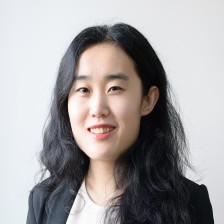
Lan Wang
Institution
Hong Kong University of Science and Technology
Country
Hong Kong
Field
Biomedical Sciences
Wang is a recipient of the 2023 Croucher Tak Wah Mak Innovation Award for her research investigating mechanisms in the mitochondria that regulate protein translation.
AWARDS
- 2023 Croucher Tak Wah Mak Innovation Award
Related articles
Pushing The Limit Of Quantum Memory
By cooling rubidium atoms to nearly absolute zero temperatures and increasing the signal-to-noise ratio of single photons, scientists in Hong Kong have found a way to improve the efficiency of quantum memory.
Integrator Genes Play Key Role In Brain Development
Researchers in Singapore have demonstrated that integrator genes help prevent the de-differentiation of neurons in the brain.

A Light To Guide Stem Cells To Sites Of Injury
Scientists in China have designed a light-activated 'remote control' to target stem cells towards wounds.

Biconcave Nanodisks Wreak Havoc On Tumors
An international team of scientists has developed drug-loaded biconcave carbon nanodisks that accumulate preferentially in tumors.
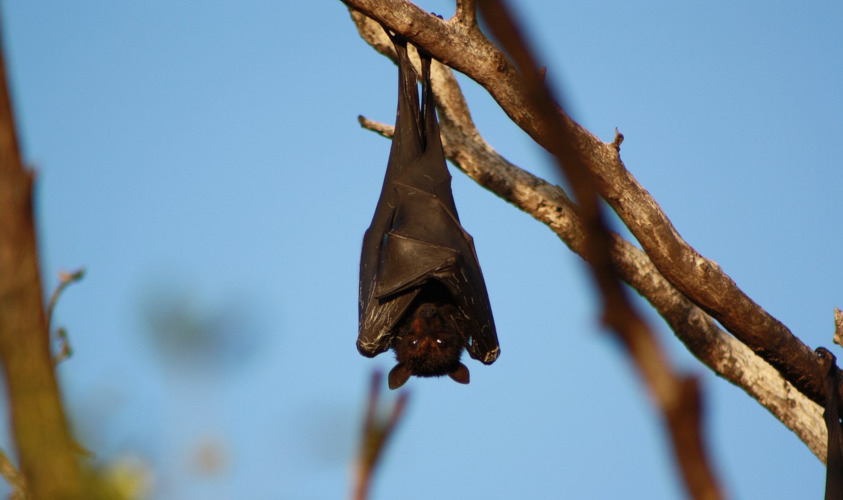
How Bats Carry Viruses But Avoid Getting Sick
Bats tolerate viral infections by dampening inflammation, according to research by an international team of scientists.
2019 Edition Of Asian Scientist 100 Announced
Each year, Asian Scientist Magazine highlights 100 outstanding thinkers and innovators from Asia who are pushing the envelope with their research.

The Double Whammy Of Microplastics In The Oceans
Marine scientists in Singapore have found that microplastics in the ocean are home to toxic bacteria as well as microorganisms that can degrade pollutants.

Building Better Inorganic Perovskite LEDs
By using cesium trifluoroacetate, scientists have created bright, all-inorganic perovskite LEDs with a half-lifetime of over 250 hours.

Elastic Polymers That Spontaneously Heal Themselves
Scientists in Japan have found a method to produce a self-healing material that does not require external stimuli to trigger its healing properties.