


The Asian Scientist 100
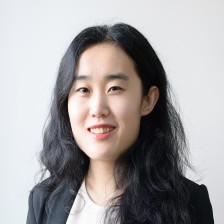
Lan Wang
Institution
Hong Kong University of Science and Technology
Country
Hong Kong
Field
Biomedical Sciences
Wang is a recipient of the 2023 Croucher Tak Wah Mak Innovation Award for her research investigating mechanisms in the mitochondria that regulate protein translation.
AWARDS
- 2023 Croucher Tak Wah Mak Innovation Award
Related articles

Chinese Electronic Waste Sites May Be Linked To Lung Cancer Risk
A new study says residents in an rural Chinese village near an electronic waste dump are more likely to develop lung cancer than their peers in the heavily polluted Guangzhou city.

Mystery Of The Vanishing Neutrinos Solved
The Daya Bay Reactor Neutrino Experiment today reported the first results of its search for the last, most elusive piece of a long-standing puzzle: how is it that neutrinos can appear to vanish as they travel?
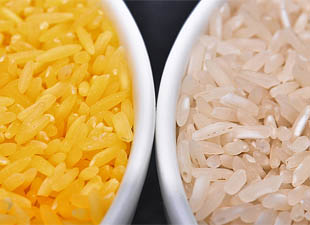
Golden Rice Trial Triggers Sackings, Investigation
Three Chinese researchers were fired after they co-published a study in which 24 schoolchildren in China's Hunan province were fed GM rice in 2008.

Yangtze River’s Finless Porpoise Population To Dwindle To 200
The population of finless porpoises in China's Yangtze River may decrease by over 80 percent to 200 porpoises, according to new research estimates.

Leftover Embryonic Cells Connect Gastric Reflux And Esophageal Cancer
Scientists have made the striking discovery that Barrett’s esophagus arises from a very small group of embryonic cells that exist in all adults.

Sick Building Syndrome: Indoor Plants Can Extract Formaldehyde From Air
Indoor volatile organic compounds have been known to cause 'sick building syndrome.' Researchers ranked 86 plant species for their ability improve air quality, also known as phytoremediation.

A Gene That Both Causes Leukemia And Fights Liver Cancer
Researchers say a human gene implicated in the development of leukemia also acts to prevent cancer of the liver.
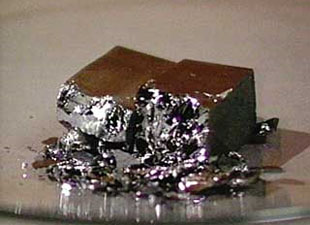
Germanium Conducts Electricity Under Pressure
Researchers have discovered that germanium undergoes a structural change into a conductive metal at 66 GPa.

Cause Of Mysterious Chinese Disease Solved In NEJM
Dr. Xue-Jie Yu and colleagues have shown that a novel phlebovirus is responsible for seasonal disease outbreaks in six of China's most populated provinces.