


The Asian Scientist 100
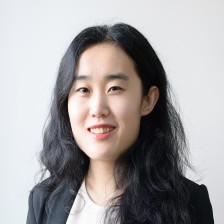
Lan Wang
Institution
Hong Kong University of Science and Technology
Country
Hong Kong
Field
Biomedical Sciences
Wang is a recipient of the 2023 Croucher Tak Wah Mak Innovation Award for her research investigating mechanisms in the mitochondria that regulate protein translation.
AWARDS
- 2023 Croucher Tak Wah Mak Innovation Award
Related articles

Making Pigs Leaner Through CRISPR
Using CRISPR/Cas gene-editing, scientists in China have introduced a gene into pigs that makes them lean and cold-resistant.

Bacteria Stops Malaria Parasites In Mosquito Gut
By genetically engineering a bacteria that lives in the digestive system of mosquitoes, scientists in China have devised a new strategy to control the spread of malaria.

Fighting Back Against Research Fraud
Is July retraction month? Three retraction cases in a single month highlight the need to address scientific fraud in Asia.

Blocking The Zika Virus’ Escape Route
Scientists in Singapore and Switzerland have developed an antibody that neutralizes multiple strains of Zika virus.

Writing Off Cancer With Chinese Calligraphy Ink
Chinese researchers have used ancient calligraphy ink in photothermal therapy to kill cancer cells.

Detecting Amphetamines On The Spot
Scientists in Korea have developed a fast, sensitive and portable sensor for on-site detection of amphetamines in urine.
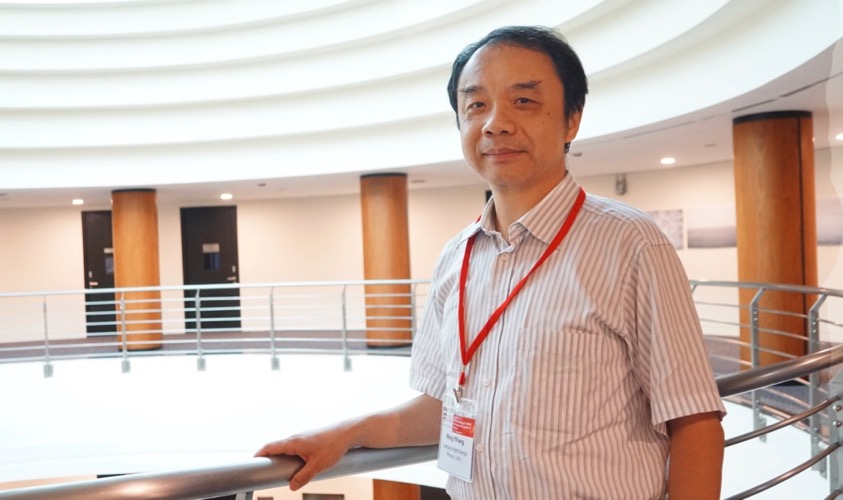
Asia’s Scientific Trailblazers: Wang Yifang
Professor Wang Yifang shares about his fascination with neutrinos and elaborates on China’s ambition to become a major international center for particle physics research.

Watching The Dance Of Molecules In Real Time
Using tiny and thin-walled graphene pockets to contain molecules of interest, scientists in Korea have visualized the molecular motion of polymers in real time.

Photosensitizer Enhances Cancer-Killing Ability Of Malaria Drug
By combining the anti-malarial drug artemisinin with a photosensitizer, researchers from Singapore have multiplied its cancer-killing ability ten-fold.