


The Asian Scientist 100
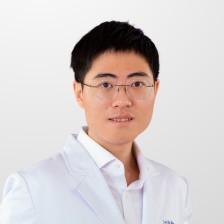
Hei Ming Lai
Institution
The Chinese University of Hong Kong
Country
Hong Kong
Field
Biomedical Sciences
Lai won the 2024 Croucher Tak Wah Mak Innovation Award for leading research in creating a 3D spatial multi-omics platform for clinical diagnostics and spatial biology research.
(Photo: The Chinese University of Hong Kong)
AWARDS
- 2024 Croucher Tak Wah Mak Innovation Award
Related articles

Nano Sun Launches Water Treatment Membrane Facility
Nano Sun, a Singapore-based startup, has established a facility to manufacture water treatment membranes using 3D printing technology.

Inside Indonesia’s ‘Double Burden’ Of Diseases
Communicable diseases such as diarrhoea and tuberculosis are on the decline in Indonesia, but new threats like diabetes are emerging.

Conflict Control In The Lab
Disputes among lab members are inevitable, but tackling them promptly and proactively is key.

Relational Mobility Depends On Where You Live
Through a poll of individuals recruited via Facebook, an international research group has demonstrated that individuals in Asia and the Middle East have low relational mobility.
On The Trail Of Identity Politics
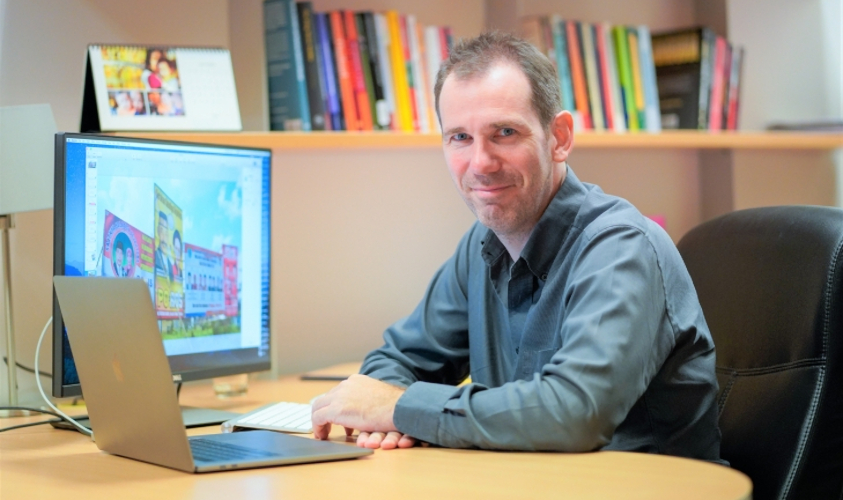
There is no better place to study identity politics than Southeast Asia, a hotbed of political, ethnic and religious diversity, says SMU Assistant Professor Colm Fox.
The Economics Of Ageing Well
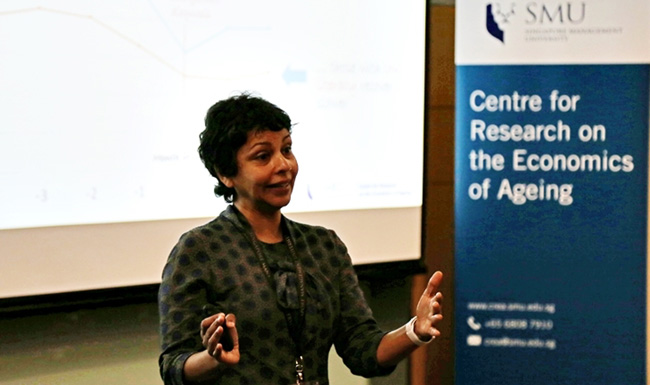
SMU's Centre for Research on the Economics of Ageing aims to find out what can be done to help older Singaporeans live better.

Ageing Isn’t A Tsunami
Are Singaporeans financially prepared for retirement and ageing? Researchers at the SMU Centre for Research on the Economics of Ageing are finding out.

Once Eaten By Birds, Stick Insects Get The Ride Of Their Lives
For stick insects, becoming bird food isn’t the end of the road, but may be the start of a long-distance journey.

Asia’s Rising Scientists: Justin Song
Theoretical and experimental physics inform and complement each other, says Dr. Justin Song of the Institute of High Performance Computing in Singapore.