


The Asian Scientist 100
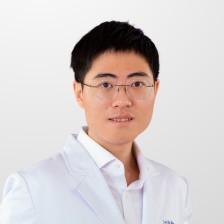
Hei Ming Lai
Institution
The Chinese University of Hong Kong
Country
Hong Kong
Field
Biomedical Sciences
Lai won the 2024 Croucher Tak Wah Mak Innovation Award for leading research in creating a 3D spatial multi-omics platform for clinical diagnostics and spatial biology research.
(Photo: The Chinese University of Hong Kong)
AWARDS
- 2024 Croucher Tak Wah Mak Innovation Award
Related articles
Winners Of The Asian Scientist Writing Prize 2019 Announced
A total of 26 winners received their prizes at the Asian Scientist Writing Prize 2019 held at the Science Centre Singapore.
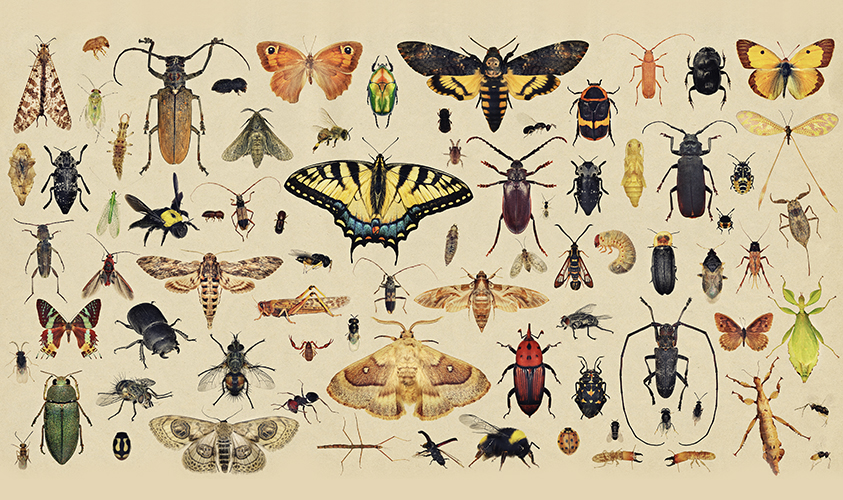
Doom For The Planet: The Insect Apocalypse
They may not be as charismatic as the pandas or polar bears, but insects are indispensable to life as we know it.
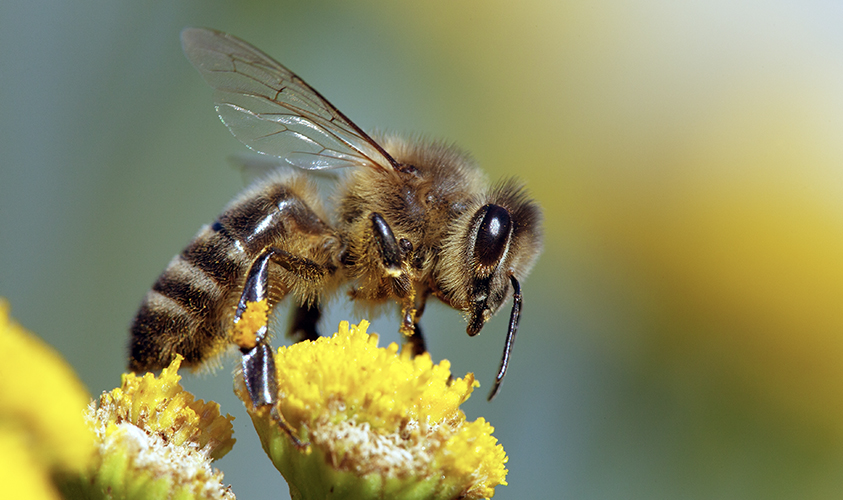
Bee Change
While bees might be terrifying to some people, we should all be worried about a world without them.
Corals: The Turn Of The Tide
Corals are dying but science could be able to help them fight back from the brink.

Hokkaido Researchers Break New Ice In Cryosphere Science
Researchers at the Institute of Low Temperature Science at Hokkaido University are uncovering secrets of the climate buried in ice cores.

Winners Of The Asian Scientist Writing Prize 2017 Announced
A total of 26 winners received their prizes at the Asian Scientist Writing Prize 2017 held at the Science Centre Singapore.

A Walk In The Shoes Of Another—With VR
Researchers in Japan have developed a virtual reality-based system that combines visual stimuli and foot vibrations to replicate the experience of walking.

Origami Arms Extend The Reach Of Drones (VIDEO)
A robotic arm that is stiff when it needs to be but soft enough to fold up on demand could make drones even more useful.

Singapore Awards Top Honors To Researchers At PSTA 2019
Two teams and an individual have received the 2019 President’s Science and Technology Awards in Singapore.