


The Asian Scientist 100
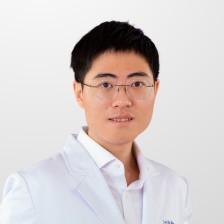
Hei Ming Lai
Institution
The Chinese University of Hong Kong
Country
Hong Kong
Field
Biomedical Sciences
Lai won the 2024 Croucher Tak Wah Mak Innovation Award for leading research in creating a 3D spatial multi-omics platform for clinical diagnostics and spatial biology research.
(Photo: The Chinese University of Hong Kong)
AWARDS
- 2024 Croucher Tak Wah Mak Innovation Award
Related articles

Conceiving Many World Firsts
Professor Ariff Bongso has been at the forefront of both in vitro fertilization and stem cell research.

Growing A Research Culture
Lim Pin, the National University of Singapore's longest-serving vice-chancellor, was instrumental in Singapore's journey to becoming the medical research hub that it is today.

Indigenous Communities Enhance Rainforest Biodiversity
Indigenous farming supports rainforest diversity, making relocation efforts potentially counter-productive.
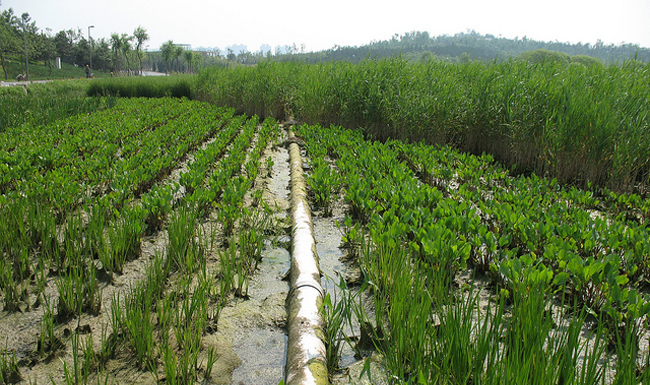
Christmas Tree Plants Help Reduce Greenhouse Gas Emissions From Pigs
Scientists have identified the plant species that are most effective at reducing greenhouse gas emissions from swine wastewater.

Dangdai Invests Over US$43 Million In CBMG
Dangdai's investment in CMBG will help further long-term clinical trials for stem cell therapies and chimeric antigen receptor T-cell trials for selected cancers.

Sugars, Science & Society
Professor Wong Chi-Huey, president of Academia Sinica of Taiwan, has built his career on carbohydrates. He shares his motivations for research and the impact science can have on society.

Gut And Inner Ear Hair Cells Share Striking Similarities
The similarities in appearance and function of gut microvilli and stereocilia could help scientists to identify mutations of genes that may cause digestive diseases.

Tumor Suppressor Protein May Play Key Role In Amyotropic Lateral Sclerosis
A tumor suppressor protein called von Hippel Lindau may play a key role in the progression of amyotrophic lateral sclerosis.

Chemical Analysis Software To Improve Toxicity Testing
An automated cellular imaging platform accurately predicts the toxicity of chemical compounds—paving the way toward safer products.