


The Asian Scientist 100
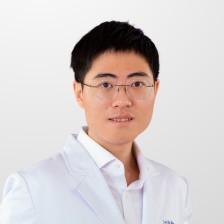
Hei Ming Lai
Institution
The Chinese University of Hong Kong
Country
Hong Kong
Field
Biomedical Sciences
Lai won the 2024 Croucher Tak Wah Mak Innovation Award for leading research in creating a 3D spatial multi-omics platform for clinical diagnostics and spatial biology research.
(Photo: The Chinese University of Hong Kong)
AWARDS
- 2024 Croucher Tak Wah Mak Innovation Award
Related articles
Unveiling Informal Business Networks
Research by SMU Associate Professor Zang Yoonseok is uncovering the implications of informal business networks between top executives and their independent auditors.
The Antibiotic Resistance Movement
It's the end of the modern antibiotic era. Is this an Independence Day-type situation, or can we still undo the damage that's been done?

Leading My Kid Through Difficult Conversations
With terrorism reports looming large on the news almost every other day, how can you best explain such acts of violence to your young child?

6 Rising Stars Of The Asian Scientist 100
These individuals were recognized for exemplary research in their respective field, and show the potential for so much more in their career.
Wake Up and Smell The Roses—Virtually
You can now send tastes, smells and even kisses virtually. A new age of virtual reality involving all five senses is here, with Adrian Cheok of the Imagineering Institute at its forefront.

Leading The Disruption Of Tissue Imaging
HistoIndex offers fully-automated, stain- and label-free imaging systems, assisting scientists and clinicians in delivering purely objective tissue assessments and taking the guesswork out of tissue diagnosis.
Which Meds Are Best For You? Check systemsDock
Scientists have created a free online resource that makes screening for the right drug faster and more accurate.

Scientists Find Clues To How We Taste Food
A study in Japan gives new insights into how structural changes in taste receptors contribute to how we perceive food.
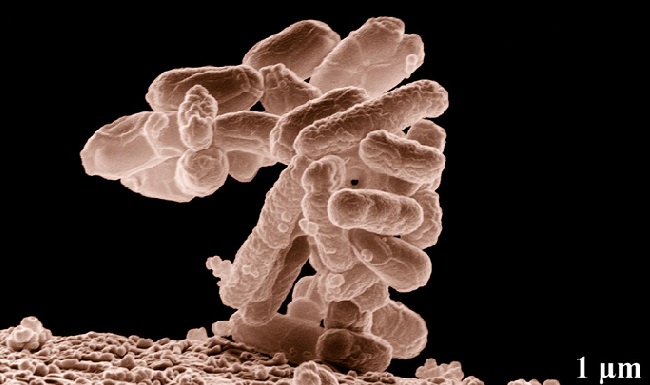
Swiss Tourists Carried Superbugs From India: Study
In a small study of 38 tourists returning from India, Swiss researchers found that three quarters of them brought back a multidrug-resistant superbug.