


The Asian Scientist 100
Hei Ming Lai
Institution
The Chinese University of Hong Kong
Country
Hong Kong
Field
Biomedical Sciences
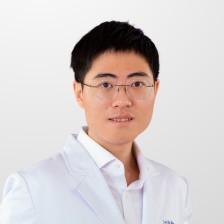
Lai won the 2024 Croucher Tak Wah Mak Innovation Award for leading research in creating a 3D spatial multi-omics platform for clinical diagnostics and spatial biology research.
(Photo: The Chinese University of Hong Kong)
AWARDS
- 2024 Croucher Tak Wah Mak Innovation Award
Related articles
These Self-Organizing Microspheres Swarm Like Honeybees
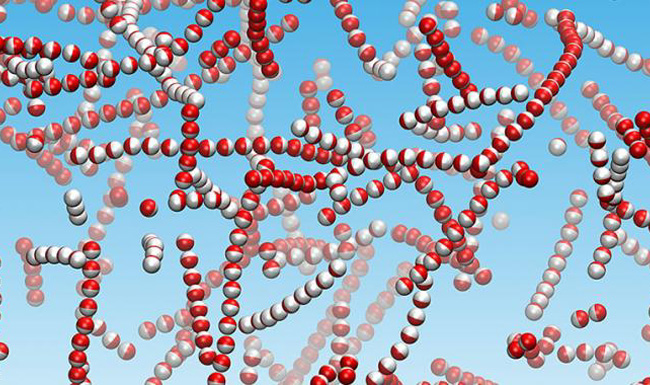
Soft-matter particles, named Janus colloids after the two-faced Roman god, can be manipulated with electricity to form swarms, chains and clusters, a study shows.

‘Big Mama’ Bonobos To Bullies: Don’t Mess With Us
Talk about girl power—older female bonobos frequently come to the rescue of younger females being bullied by males, researchers have found.

Beach-Comber, Wave-Watcher
A self-described “professional beach bum,” Wong Poh Poh was one of the first geographers to carve out a niche in coastal tourism.
Asia’s Rising Scientists: Aisa Mijeno
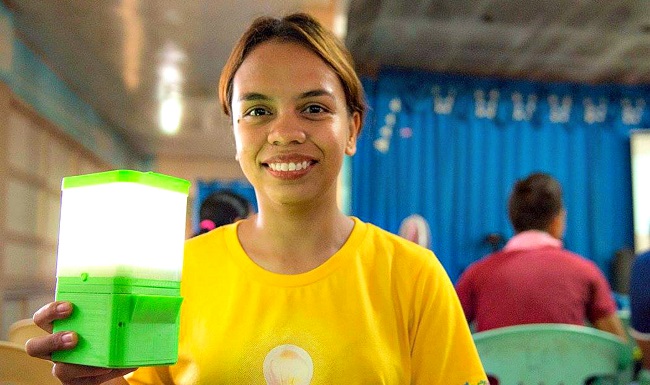
As part of our monthly Asia's Rising Scientists series, we talk to Aisa Mijeno, professor at De La Salle University—Lipa and co-founder & CEO of SALt.
Nutritional Seaweed Kit Wins Shell Ideas360 Audience Choice Award
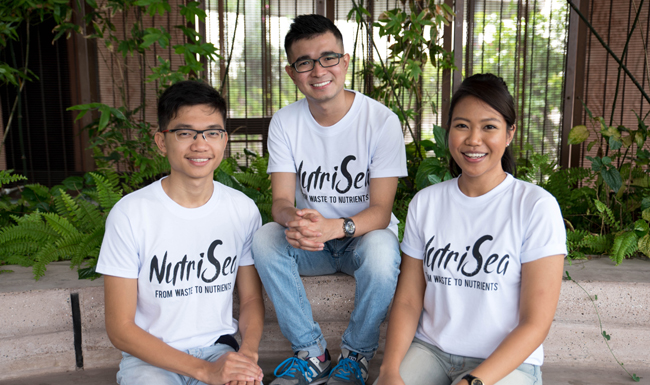
A kit that makes nutritional supplements out of seaweed has topped a live audience vote at Shell’s global innovation competition.

10 ’Omics You Need To Know
Confused by the proliferation of ‘omics but don’t want to be left behind? Fret not, Asian Scientist Magazine has got you covered with our handy explainer on the hottest ‘omics around.

Red Meat Intake May Increase Risk Of Kidney Failure
Researchers have found that red meat intake increases the risk of kidney failure, but alternative sources of protein may help to reduce this risk.

10 Things You Learn Only After Starting Medical School
Your medical school experience may not exactly be like an episode of Scrubs, but it's still going to be a satisfying five-year journey.

Diagnosis Without Doctors: Could PCs Replace GPs?
Computers may not have much by way of bedside manner, but they can carry out tasks human doctors can’t, processing gigabytes of data for a more personalized diagnosis.