


The Asian Scientist 100
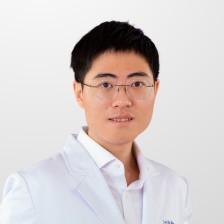
Hei Ming Lai
Institution
The Chinese University of Hong Kong
Country
Hong Kong
Field
Biomedical Sciences
Lai won the 2024 Croucher Tak Wah Mak Innovation Award for leading research in creating a 3D spatial multi-omics platform for clinical diagnostics and spatial biology research.
(Photo: The Chinese University of Hong Kong)
AWARDS
- 2024 Croucher Tak Wah Mak Innovation Award
Related articles

China’s Severe Winter Haze Linked To Melting Of Arctic Sea Ice
Climate change—not pollution—may have been behind China's severe winter haze in 2013.

Elderly Chinese Living Longer But Faring Poorer
People in China are living longer but individuals in the oldest-old population experience poorer physical and cognitive function.
Students Help Build Synthetic Yeast Chromosome
These synthetic yeast chromosomes bring scientists one step closer to creating artificial life.

Spinning Pee To Detect Cancer
Researchers in South Korea have developed a fast and simple method to detect cancer biomarkers from bodily fluids like blood or urine.

Yellow Cabs Get Into Fewer Accidents Than Blue Ones
Painting all taxis in Singapore yellow could help save US$1.4 million a year, scientists estimate.

A Safer Shade Of Black
Polydopamine, a black substance structurally similar to melanin, could be a safer alternative to conventional chemical hair dyes.

Fishing Out Cancer Regulators With Molecular Baits
Using an anti-cancer drug as a bait, researchers have successfully fished out cancer regulating histone deacetylase proteins.
Lasers Make Dino Flesh Glow In The Dark
Laser-stimulated fluorescence has helped scientists reconstruct the soft tissue of a feathered dinosaur, illuminating the mysteries behind the origin of birds.
When Is The Best Time To Eat ‘Good’ Fats?
Eating food with long chain polyunsaturated fatty acids during the day might help to lessen the risk of metabolic syndromes, researchers say.