


The Asian Scientist 100
Di Li

Institution
National Astronomical Observatories of the Chinese Academy of Sciences
Country
China
Field
Aerospace & Astronomy
Li received the Marcel Grossmann Award for his pioneering contributions in the field of fast radio bursts. Li is the first scientist in China to receive this prize for research conducted within China.
(Photo: The Paper)
AWARDS
- Marcel Grossmann Award
Related articles

Vietnam’s Foray Into Social Marketing Of Nutrition
The Vietnamese government is using social marketing to change consumer behavior, but unlike private sector marketing, the goal is to benefit consumers rather than the marketer.
Can China Escape Its Demographic Bind?
Paul French discusses the effect of China's one-child policy on healthcare spending, pensions and social welfare.

Senhwa Biosciences Raises US$17m For Cancer Clinical Trials
Senhwa Biosciences has raised an additional US$17 million in Series B financing to drive its anticancer agents through critical clinical trials.

Ear Acupuncture Could Help People Lose Weight, Study
Acupuncture of five points on the outer ear - shen-men (divine gate), spleen, stomach, hunger and endocrine - can help shed the pounds, says a South Korean study.

ScinoPharm To Open Manufacturing Plant In Changshu, China
ScinoPharm has completed construction of its Changshu plant on a 16-acre site in China.

Cat & Dog Allergens Detected In Homes Without Pets
Soft toys are a source of cat and dog allergens regardless of whether the home has pets, according to a study.
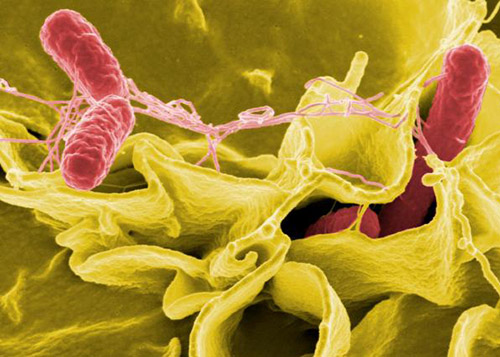
Salmonella Disables Bacteria-Fighting Mast Cells During Invasion
A protein in Salmonella inactivates mast cells, rendering them unable to protect against bacterial invaders, according to a new study.

Mind-Body Exercises Benefit Emotional Health: Hong Kong Study
Mind-body exercises such as Tai Chi, Chi Gong and Yoga not only improve physical fitness but also alleviate mood disorders such as anxiety and depression, according to a study.

Migrating Skin Cells Form ‘Bridges’ During Wound Healing, Study
Researchers have discovered that outer skin cells are able to unite to form suspended “bridges” during wound healing.