


The Asian Scientist 100
Di Li

Institution
National Astronomical Observatories of the Chinese Academy of Sciences
Country
China
Field
Aerospace & Astronomy
Li received the Marcel Grossmann Award for his pioneering contributions in the field of fast radio bursts. Li is the first scientist in China to receive this prize for research conducted within China.
(Photo: The Paper)
AWARDS
- Marcel Grossmann Award
Related articles

Stop Peeing In Pools, Scientists Say
Not only is peeing in the swimming pool antisocial, it could also harm your health, according to a study.

Diabetic Women Face Higher Risk Of Stroke Than Men
A meta-analysis of papers published on diabetes shows that diabetic women are more susceptible to stroke than diabetic men, possibly because of obesity.

iKang Launches US$150 Million IPO On NASDAQ
The initial public offering is expected to raise US$150 million for expansion through acquisitions and the building of new medical centers.

Singaporean Scientists: Haze Also Harms The Oceans
Although many people are rightly concerned about the effects of haze on the land and air quality, scientists say that its impact on the marine environment also deserves attention and intervention.
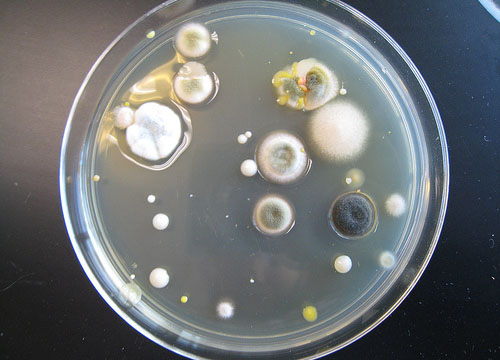
When Two Become One, One Switches Off
In allopolypoids, which are formed when two different species merge into one, the DNA of both is conserved, but only one species' RNA is expressed, says a geneticist.

Yoga Lowers Stress Hormones In Breast Cancer Patients, Study
Breast cancer patients who practiced yoga not only had general better health and regulation of cortisol levels but were also more able to find meaning in their illness, a study reports.

Study Shows Community-Based Care For Schizophrenia Works
Community intervention was found to be more effective at reducing symptoms and disabilities in schizophrenics compared to facility-based care.

ZENBU Helps Scientists Make Sense Of Large Datasets
A new bioinformatics tool developed at RIKEN helps scientists visualize and make sense of large datasets.

A Bird’s Eye View Of Flowers
Mathematical models show that a disproportionate number of Australian flowers have colors that attract honeyeaters, suggesting that flowers have evolved in response to bird visual systems.