


The Asian Scientist 100
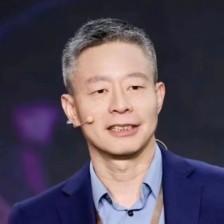
Di Li
Institution
National Astronomical Observatories of the Chinese Academy of Sciences
Country
China
Field
Aerospace & Astronomy
Li received the Marcel Grossmann Award for his pioneering contributions in the field of fast radio bursts. Li is the first scientist in China to receive this prize for research conducted within China.
(Photo: The Paper)
AWARDS
- Marcel Grossmann Award
Related articles

Digging Into The Science Of Protein Cravings
When deprived of protein, specialized cells in our gut release a hormone telling our brain to crave food containing essential amino acids.

Correcting Genetic Mutations One Letter At A Time
Researchers from Singapore have developed a CRISPR/Cas9-base gene editor capable of correcting single-letter mutations in our DNA sequence.

Igniting Innovation–Interview With Dr Peter KC Ong Of KH Roberts
Find out how a spirit of trust and collaboration is helping KH Roberts to bring brand new flavors to the market.

Asia Hits New Milestones In 2021 Times Higher Education Rankings
By improving upon research and industry indicators, Asia’s top universities are continuing to climb the 2021 THE World University Rankings.

Catalyzing Innovation In Deep Tech (VIDEO)
As CEO of SGInnovate, Dr. Lim Jui supports budding scientist-entrepreneurs as they leverage deep tech to take on the biggest problems of Singapore—and the world.

Back To Basis: Restoring Trust In AI (VIDEO)
BasisAI CEO Liu Feng-Yuan is championing the responsible use of artificial intelligence—helping organizations make better decisions in the process.

Making STEM Accessible To All (VIDEO)
By studying social and cognitive development, Dr. Setoh Pei Pei works with parents and children to recognize the limitless possibilities offered by the world of STEM.

Reaching Everyone Through Affordable Healthcare (VIDEO)
By delivering affordable medical services, reach52 CEO Mr. Edward Booty is empowering underserved communities to lead better, healthier lives.

Creating Sustainable Cities By Design (VIDEO)
Through sustainable design, Professor Jason Pomeroy blends creativity and research to create architectural feats at minimal cost to the planet.