


The Asian Scientist 100
Di Li

Institution
National Astronomical Observatories of the Chinese Academy of Sciences
Country
China
Field
Aerospace & Astronomy
Li received the Marcel Grossmann Award for his pioneering contributions in the field of fast radio bursts. Li is the first scientist in China to receive this prize for research conducted within China.
(Photo: The Paper)
AWARDS
- Marcel Grossmann Award
Related articles

What Algorithms Can Teach Us About Art
An algorithm has shown that landscape paintings over the past five centuries are surprisingly similar, suggesting selection bias.

Asia’s Rising Scientists: Manik Varma
In a world run by algorithms, Dr. Manik Varma is taking machine learning to its extremes.

Asian Health Leaders Recognized On BBC’s 100 Women List
For their pioneering efforts amid COVID-19, three health experts from Pakistan, Singapore and South Korea were named to the BBC’s annual 100 Women list.

Japan May Be “Sinking” Due To Earthquake Damage
The recent 9.0 scale earthquake in North-east Japan may have caused the soil in Japan to sink by as much as four feet.

Ancient Giant Rhinos Found In China
Move over, woolly mammoth! A new species of giant rhino that roamed ancient Asia’s open landscapes could be among the largest land animals that ever lived.

How Wolbachia Stops Dengue In Its Tracks
Scientists have shown that infecting mosquitoes with Wolbachia bacteria prevents them from carrying dengue and lowers disease incidence by 77 percent.
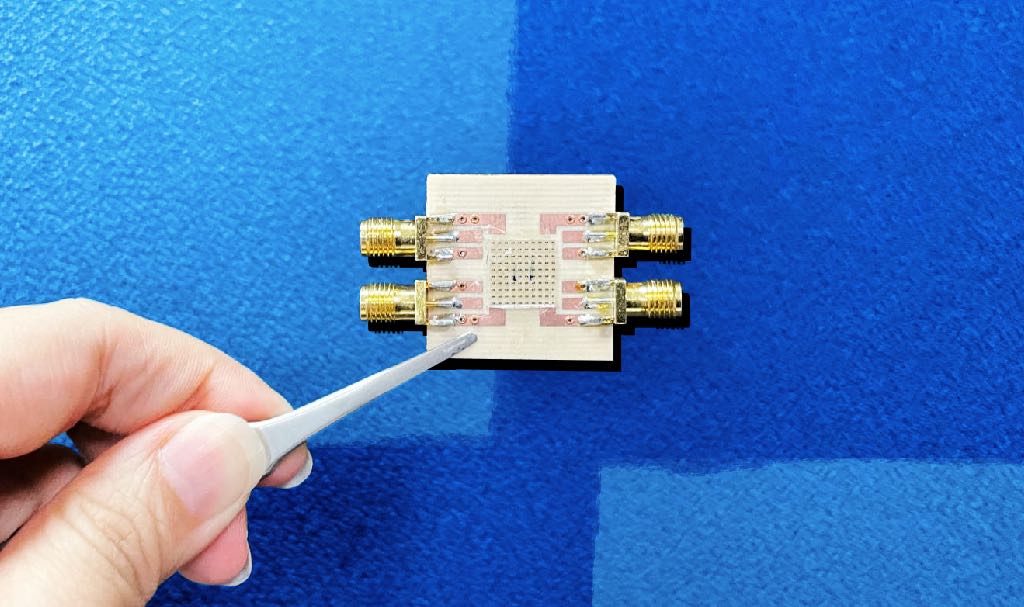
Charging Tiny Electronics With WiFi
A Singapore-Japan team has devised a method to harness WiFi signals and convert them into energy, powering small electronics like LEDs in the process.

Tracing The Origins Of Giant Viruses
Don't be fooled by their size—giant viruses are more closely related to eukaryotes compared to bacteria or even small viruses, say researchers from India.

Uncovering The Origins Of Oily Organelles
By closely examining liverwort cells, scientists from Japan have shed light on how diverse organelles like oil bodies were first formed.