


The Asian Scientist 100
Di Li

Institution
National Astronomical Observatories of the Chinese Academy of Sciences
Country
China
Field
Aerospace & Astronomy
Li received the Marcel Grossmann Award for his pioneering contributions in the field of fast radio bursts. Li is the first scientist in China to receive this prize for research conducted within China.
(Photo: The Paper)
AWARDS
- Marcel Grossmann Award
Related articles

Zebra Finch Parents’ Song Prepare Unborn Chicks For Global Warming
A zebrafinch’s dulcet tones can help the unborn chicks in its eggs prepare for a warmer environment, a study suggests.

Singapore Top In Asia, 6th Globally For Innovation: Report
Singapore has taken pole position in Asia and scaled up a spot to sixth position among 128 nations in the Global Innovation Index 2016 report.

Two Ant Species Named After Game of Thrones Dragons (VIDEO)
Brace yourself, dragon ants are coming! Researchers have discovered ant species with dragon-like spines reminiscent of the mythical beasts in Game of Thrones.

The Seesaw Of Supply And Demand
SMU Assistant Professor Pradeep Varakantham takes on complex urban challenges by dynamically and continuously matching supply with demand.

Dengue Risk Could Decrease In Warmer Climates: Study
Contrary to current belief, researchers predict that the risk of dengue could in fact go down in a warmer climate.

Your Gut Bacteria Could Affect How Drugs Work For You
Microorganisms in the gut likely have an effect on how the body metabolizes drugs, according to a new study.

Were The LIGO Gravitational Waves Made By Ancient Black Holes?
Astrophysicists have proposed that the recently-discovered gravitational waves were created out of black holes formed just after the birth of the Universe.
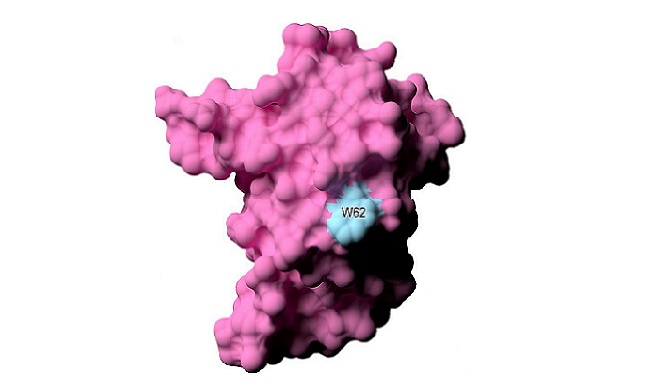
Researchers Determine Structure Of Fertility Protein JUNO
Japanese researchers have observed on a molecular level the structure of JUNO protein, which is named after the Roman goddess of fertility and marriage.

Ten Trillionths Of Your Suntan Comes From Beyond Our Galaxy
At the beach, your body is bombarded by about sextillion photons of light per second, but don’t worry, you will have to bask in it for trillions of years before it causes any long-lasting damage.