


The Asian Scientist 100
Di Li

Institution
National Astronomical Observatories of the Chinese Academy of Sciences
Country
China
Field
Aerospace & Astronomy
Li received the Marcel Grossmann Award for his pioneering contributions in the field of fast radio bursts. Li is the first scientist in China to receive this prize for research conducted within China.
(Photo: The Paper)
AWARDS
- Marcel Grossmann Award
Related articles

What The Past Can Tell Us About Future Earthquakes
A new model based on historical earthquake data explores the potential of predicting major earthquakes.

The Link Between MSG, Obesity And Fatty Liver
Scientists have found that MSG consumption leads to obesity in mice which cannot be reduced by calorie restriction.
GE Healthcare & Takeda Form Alliance For Liver Disease
GE Healthcare's MR elastography technology will aid researchers in non-invasively assessing liver stiffness in the search for new drugs.

Drinking Caffeine (In Moderation!) May Support A Healthy Liver
To all the caffeine lovers of the world, researchers at Duke-NUS Graduate Medical School may have some good news for you.
HK Study Finds Link Between Fatty Liver And Colorectal Polyps
Hong Kong researchers have found a close link between non-alcoholic fatty liver disease and colorectal polyps in middle aged patients, and call for earlier polyp-screening in such patients.

Combination HepC Treatment Tested In Malaysia, Thailand
The Drugs for Neglected Diseases initiative has launched a clinical trial of a hepatitis C combination drug treatment which costs less than US$300.
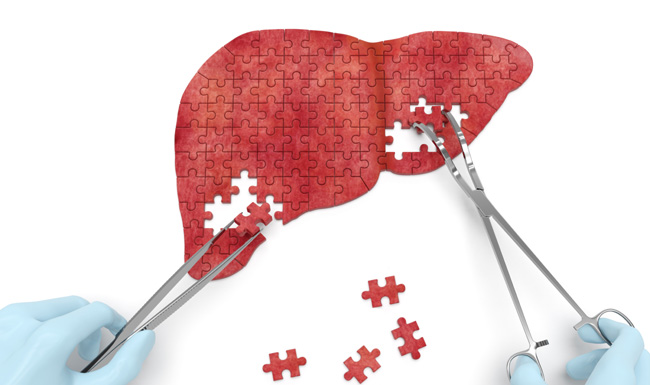
Liver Fibrosis-Fighting Hormones Found
Insulin-like growth factor-I has been shown to reduce fatty deposits, inflammation and fibrosis in mice with symptoms of non-alcoholic liver disease.

TaiGen, HEC ChangJiang To Jointly Develop Chronic Hep C Treatments
The new company will develop, manufacture and commercialize treatments for chronic Hepatitis C virus infection in the Greater China region.
The State Of Infectious Disease Control In Post-SARS China
China has improved its infection control measures in the aftermath of SARS, but common diseases still pose a problem.